

Sartorial Rebellion: Cultural History, Anatomy, and Buyer’s Guide
August 30, 2026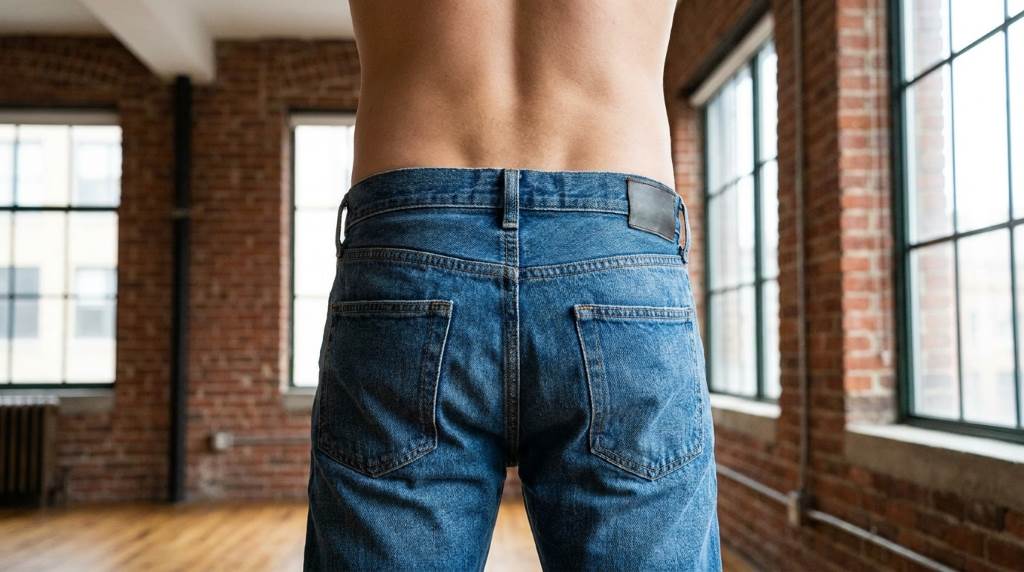
Yes, you can fix most denim waist gaps without replacing your favorite jeans. A common gap measures 1 to 2 inches, while proper tailoring can reshape the waistband cleanly. Before altering denim, check your fit against a reliable zara jeans sizing guide. That simple comparison can reveal whether sizing or tailoring caused the problem.
Why Denim Waist Gaps Happen
Denim waist gaps usually appear when jeans fit your hips but leave extra room around your lower back. Body proportions often explain this mismatch more than incorrect sizing. Therefore, buying larger jeans rarely solves the problem without creating loose areas elsewhere.
Curved body shapes commonly create a noticeable gap near the back waistband. Meanwhile, rigid denim can expose small fitting problems more clearly than stretch fabrics. The waistband may sit correctly at your front but pull away behind you.
High-rise jeans can create another challenge because their waistline follows a different part of your torso. Additionally, denim with significant stretch may relax after several hours. That relaxation can turn a minor fitting issue into a persistent waist gap.
Worn denim also changes shape through repeated sitting, washing, and movement. Consequently, jeans that originally fit well may eventually require a small alteration. You should evaluate the waistband after normal wear rather than immediately after purchase.
For practical wardrobe planning, understanding related fashion purchasing risks can also prevent expensive mistakes. This luxury bag scams guide offers another useful reminder. Always verify product details before spending money on fashion items.
Check the Gap Before Altering Anything
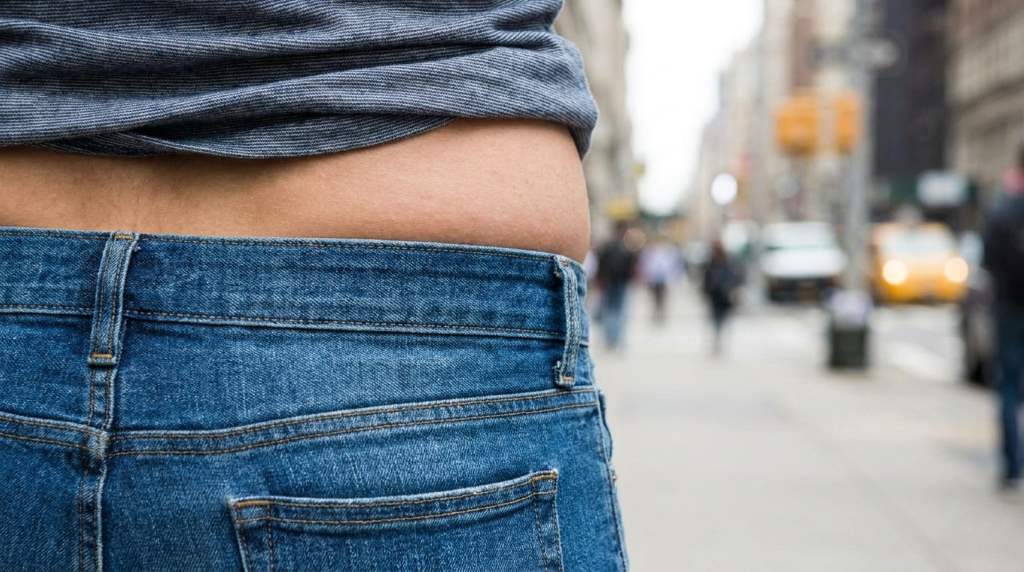
Put the jeans on with the shoes and top you normally wear. Then stand naturally instead of pulling the waistband into position. Ask someone to photograph the back if you cannot inspect the gap clearly.
Measure the open space between your body and the waistband. A flexible measuring tape works better than guessing with your fingers. Record the measurement before deciding how much fabric requires removal.
Next, check whether the waistband gaps evenly across your back. A centered gap usually indicates excess waistband width. However, a one-sided gap may indicate twisting, uneven hips, or a poorly positioned seam.
- Measure the widest part of the gap.
- Check the waistband while standing and sitting.
- Inspect both back pockets for distortion.
- Notice whether the side seams remain vertical.
- Check whether the jeans slide down during movement.
Choose the Right Denim Waist Alteration
The best repair depends on where the excess fabric sits. For a modest gap, a tailor can usually reshape the back waistband. More complicated cases may require adjustments through the center-back seam.
A professional should evaluate the entire garment before cutting anything. That approach protects the rise, pocket placement, belt loops, and seat shape. For more fashion planning ideas, explore this ComplexCon Los Angeles guide for broader style context.
Center-Back Waistband Adjustment
A center-back adjustment often provides the cleanest solution for a small, symmetrical gap. The tailor removes excess width near the rear waistband and reshapes the seam. This method can preserve the original silhouette when performed carefully.
However, the tailor must inspect the waistband construction before choosing this method. Some jeans contain decorative stitching, leather patches, or reinforced seams. Those details can limit how much material the alteration can remove.
Ask the tailor to preserve the original topstitching whenever practical. Matching thread color also helps the finished alteration blend with the factory construction. Therefore, experienced denim specialists often produce better visual results than general clothing repair shops.
Waistband Darts
Darts can remove excess fabric without dramatically changing the jeans’ overall structure. They work especially well when the back waistband needs a controlled reduction. Still, visible darts can change the garment’s original appearance.
A skilled tailor can position darts beneath belt loops or along less noticeable areas. That placement can make the modification visually subtle. Discuss the preferred finish before the tailor starts the alteration.
Seat and Waist Reshaping
Sometimes the waist gap reflects excess fabric across the upper seat. In that situation, tightening only the waistband may create uncomfortable pulling. Instead, the tailor may reshape the center-back seam and seat together.
This method requires more precision because the jeans must retain comfortable movement. Sitting, bending, and walking should remain easy after the alteration. Never judge the repair solely while standing in front of a mirror.
How to Fix Denim Waist Gaps Without Ruining the Fit
Start with a fitting session before requesting a specific alteration. Bring the shoes and clothing you usually wear with those jeans. Then explain exactly when the waistband creates discomfort or movement problems.
Ask the tailor to pin the excess fabric while you move naturally. Sit down, bend forward, walk, and reach for something. These movements reveal whether the problem involves the waistband alone.
For additional organization advice, this small diaper bag guide demonstrates another useful fitting principle. Capacity and structure must work together instead of competing with each other.
Once the tailor pins the waistband, inspect the rear pockets carefully. They should remain balanced and should not tilt toward the center seam. Pocket distortion often signals excessive tightening.
Preserve the Rise
The rise controls how the jeans sit between the crotch and waistband. A poor alteration can shorten the effective rise and create uncomfortable pressure. Therefore, ask the tailor to preserve the original rise whenever possible.
This matters particularly with high-rise and rigid denim. Their structure makes proportion changes more noticeable after tailoring. A small waist correction should not turn into a complete reconstruction.
Protect the Belt Loops
Belt loops often sit directly over areas that tailors need to modify. Removing and repositioning them requires careful stitching. Otherwise, the altered waistband may look uneven or visibly repaired.
Ask whether the tailor plans to remove any belt loops before altering the waistband. Experienced professionals usually explain that process before beginning. This conversation also helps you understand the final appearance.
Watch the Pocket Placement
Back pockets influence how fitted jeans look from behind. Tightening the center back can pull those pockets closer together. Excessive adjustment may therefore change the intended visual balance.
Stand naturally after pinning and inspect both pockets from several angles. The pockets should remain level and proportionate. If they look distorted, ask for a smaller adjustment or different alteration method.
Finding Denim Alteration Services in New York, NY
New York offers many tailoring options, but denim requires specialized handling. Look for professionals who regularly work with jeans, heavy cotton, stretch denim, and chain stitching.
Search specifically for denim alterations rather than general tailoring services. Then review photographs showing completed jeans repairs when available. This approach helps you evaluate construction quality before handing over valuable denim.
Ask several practical questions before booking an alteration:
- How often do you alter denim waistbands?
- Can you preserve the original waistband stitching?
- Will you reposition belt loops after adjustment?
- Can you match the existing thread color?
- How much waistband reduction do you recommend?
- Will you inspect the seat and rise first?
Price should matter, but craftsmanship matters more for premium or difficult-to-replace jeans. A cheaper repair can become expensive if another tailor must correct it later.
Consider the Five Boroughs
Your best option does not always sit in your immediate neighborhood. New York’s five boroughs offer different concentrations of tailoring and garment-repair businesses.
Therefore, compare specialists across Manhattan, Brooklyn, Queens, the Bronx, and Staten Island. Travel may make sense when the jeans have premium construction or sentimental value.
Before visiting, call ahead and describe the denim problem precisely. Mention the approximate gap size, denim weight, stretch content, and preferred finish. That information helps the tailor determine whether the repair suits their equipment.
DIY Fixes Versus Professional Denim Tailoring
Temporary solutions can work when you need a quick fit improvement. However, permanent denim alterations require more control than most home fixes provide.
A waistband button adjustment can reduce looseness without cutting fabric. Nevertheless, it may create uneven tension across the front closure. Use this approach for temporary wear rather than valuable long-term repairs.
Elastic inserts can also reduce a waist gap on casual jeans. Yet they change the garment’s appearance and may affect belt placement. They usually work better for comfort-focused clothing than structured denim.
Safety pins should remain a temporary emergency solution. They can catch skin, damage fabric, or create visible puckering. Avoid relying on them for daily wear.
When Professional Alteration Makes Sense
Choose professional tailoring when the gap exceeds a small amount or affects your overall silhouette. Professional help also makes sense for selvedge, vintage, designer, or heavily detailed denim.
Likewise, seek expert work when the jeans contain unusual stitching or complex waistband construction. These features increase the risk of visible damage during amateur alterations.
A professional can also identify whether the jeans need waist reduction or a broader fit correction. That distinction prevents unnecessary alterations. In many cases, correcting the seat solves the apparent waist problem more effectively.
How Much Denim Should a Tailor Remove?
Do not choose the alteration amount solely from the gap measurement. Fabric distribution, stretch, rise, and seat shape all influence the correct reduction.
Small adjustments often preserve the original construction more easily than aggressive reductions. However, your tailor should determine the final amount during fitting. Pinning provides a more accurate answer than estimating from measurements alone.
If you need more than a modest reduction, discuss whether the alteration should extend beyond the waistband. Removing too much from one location can create pulling elsewhere. Balanced reshaping usually produces a more natural result.
Signs the Alteration Went Too Far
Watch for new wrinkles radiating from the center back after tailoring. Also check whether the pockets tilt, bunch, or sit unusually close together.
Another warning sign involves movement. If sitting becomes difficult or the waistband digs into your body, the adjustment needs reconsideration.
Likewise, watch the side seams while walking. They should remain reasonably vertical instead of rotating toward the front or back. Seam rotation can indicate uneven tension after alteration.
How to Prevent Denim Waist Gaps When Shopping
Start by fitting jeans around your largest relevant body measurement. Then evaluate the waistband without using a belt to hide looseness.
Try several rises because body proportions respond differently to each cut. A higher rise may reduce the gap by following your natural waistline. Conversely, a lower rise may sit better around your hips.
Pay attention to fabric composition as well. Stretch denim can feel snug initially but loosen during extended wear. Rigid denim usually maintains its original structure more consistently.
When possible, sit and walk before purchasing. Check whether the waistband remains secure during ordinary movement. A pair that fits only while standing may eventually become frustrating.
Use the Right Size as Your Starting Point
Do not automatically size up because the hips feel tight. Larger jeans can increase the waist gap while solving only one fitting problem.
Instead, look for cuts designed around your proportions. Curvy, athletic, and relaxed fits can distribute fabric differently across the waist and seat.
If the hips fit well but the waist remains loose, tailoring can become the smarter purchase strategy. Buying for the largest area often provides a better alteration foundation.
Aftercare for Altered Denim
Careful washing helps protect the tailor’s work and the denim’s original structure. Follow the garment’s care instructions instead of applying aggressive heat.
Excessive dryer heat can encourage shrinkage and alter the waistband’s shape. Therefore, air drying often provides better control for carefully fitted jeans.
Also avoid washing immediately before a fitting when possible. Denim can temporarily change shape after washing and drying. Consistent garment condition helps the tailor evaluate the real fit.
After alteration, wear the jeans normally before deciding whether another adjustment remains necessary. Give the denim enough movement to reveal pressure points. Then return to the tailor if the fit still needs refinement.
Final Checklist Before Altering Your Jeans
A careful checklist can prevent unnecessary cuts and preserve expensive denim. Review these points before approving the alteration:
- Measure the actual waistband gap.
- Check the fit while standing and sitting.
- Inspect the center-back seam.
- Evaluate pocket alignment.
- Confirm the desired waistband reduction.
- Discuss belt-loop repositioning.
- Request matching stitching where practical.
- Test movement before accepting the finished jeans.
These steps create a clear conversation between you and the tailor. More importantly, they reduce the chance of fixing one problem while creating another.
Conclusion: Get a Cleaner Denim Fit
Fixing denim waist gaps usually requires precise fitting rather than simply buying a smaller size. Measure the gap, identify the source, and let an experienced denim tailor choose the alteration.
For New York wearers, prioritize construction quality, movement, and proportion over the lowest alteration price. Before leaving the fitting, test the jeans while sitting, walking, and bending.
Ready to fix your denim waist gap? Take your jeans to a qualified denim alteration specialist and request a complete fit assessment. A careful adjustment can make an existing pair feel custom-made without replacing it.
Frequently Asked Questions
Can a tailor fix a waist gap in jeans?
Yes, a tailor can usually reduce a denim waist gap through waistband or center-back alterations.
How much can a tailor take in jeans?
A tailor can remove varying amounts, but the correct reduction depends on construction and overall fit.
Why do jeans fit my hips but gap at the waist?
This usually happens because your waist and hip measurements have different proportions.
Can I fix a denim waist gap at home?
Temporary button adjustments can help, but professional tailoring usually provides a cleaner permanent result.
Should I size down to prevent a waist gap?
Not necessarily, because sizing down can make the hips, thighs, and rise uncomfortably tight.
