

The Science of Cool Sleep: The Best Fabrics for Hot, Humid Nights
August 29, 2026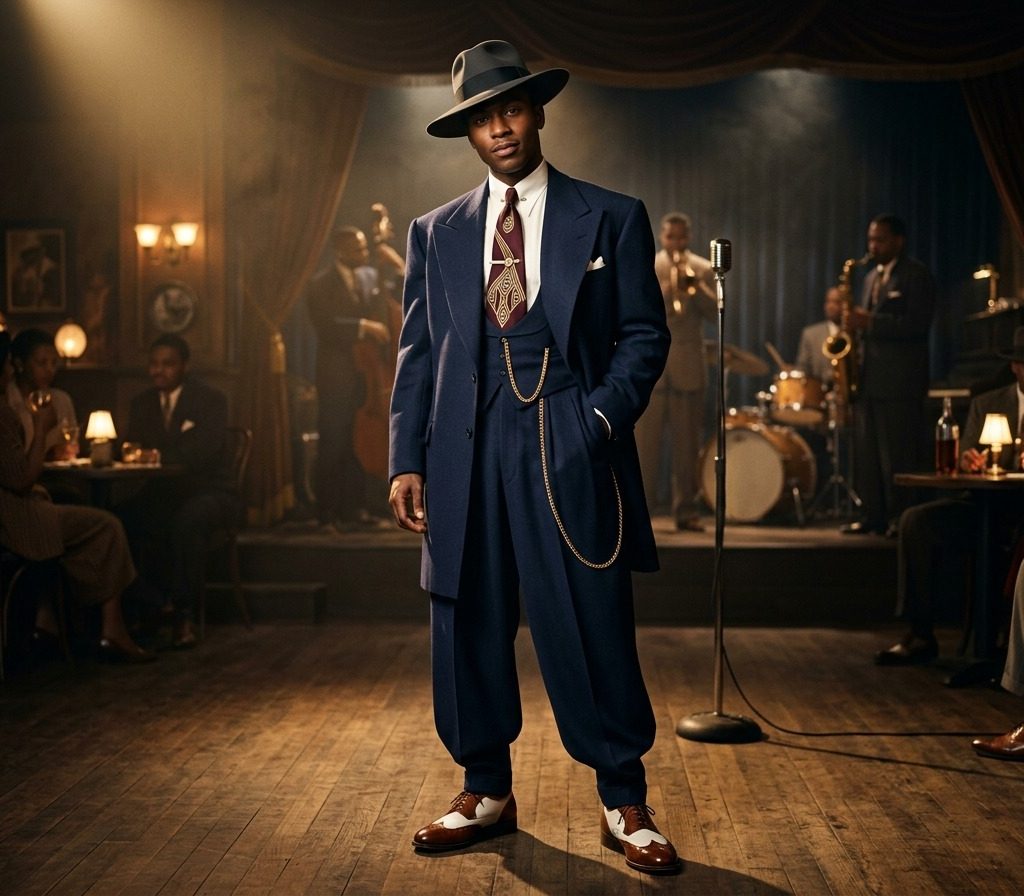
The zoot suit is more than an oversized jacket and high-waisted, wide-legged trousers—it is a powerful symbol of style, identity, resistance, and cultural history. Emerging in the 1930s and becoming closely associated with Black, Latino, and youth cultures in the 1940s, the zoot suit challenged conventional ideas about fashion and social conformity. This guide explores its origins, cultural significance, distinctive anatomy, and enduring influence, while also offering practical advice for anyone looking to buy, wear, or understand the zoot suit today.
A Comprehensive Deep Dive into Subcultural History, Wartime Politics, Female Pachucas, and Contemporary Sourcing
| ★ KEY TAKEAWAYS
• Origins & Counter-Culture: Emerging from 1930s Harlem jazz dance halls, the zoot suit evolved into a potent symbol of cultural assertion and civil resistance among African American, Mexican American (Pachuco), and Italian American youths. • Defying Wartime Rationing: When the U.S. War Production Board enacted strict fabric rationing under Order L-85 and L-224 in 1942, wearing voluminous zoot suits was criminalized as ‘unpatriotic,’ culminating in the 1943 Zoot Suit Riots in Los Angeles. • The Female Dimension: The Pachuca movement adapted the style through tailored longline blazers, pleated knee-length skirts or high-waisted pegged trousers, dark lipsticks, and pompadour (bouffant) hairstyles. • Distinct Tailoring Silhouette: A true zoot suit features exaggerated shoulder pads, extra-long drape coats falling to mid-thigh or the knee, high-rise ballooning trousers, and narrow pegged cuffs. • Sourcing Today: From bespoke UK tailors to vintage specialty stockists and swing-dance suppliers, modern enthusiasts can source authentic wool-blend or rayon zoot suits for retro events, stage productions, or subcultural fashion. |
Few garments in the history of menswear carry the political weight, visual drama, and subcultural significance of the zoot suit. Characterized by its sweeping draped jacket, wide lapels, heavily padded shoulders, and voluminous pegged trousers, the zoot suit transformed everyday tailoring into an unapologetic statement of identity.
What started as dance-floor functionalism in the late 1930s transformed during World War II into an icon of civil defiance. Today, the zoot suit endures across vintage fashion, the global swing revival, film costuming, and runway reinterpretations.
1. The Zoot Suit Wiki: Historical Origins, Subcultures, and Style Warfare
Harlem Roots and the Jazz Era
The zoot suit emerged in the late 1930s across urban dance halls, most notably New York City’s Savoy Ballroom in Harlem. Big band swing dances—such as the Lindy Hop and Jitterbug—demanded fluid, dynamic movement. Dancers discovered that standard boxy suits restricted movement and lacked visual flair during aerial steps and fast footwork.
Tailors answered with dramatic structural changes:
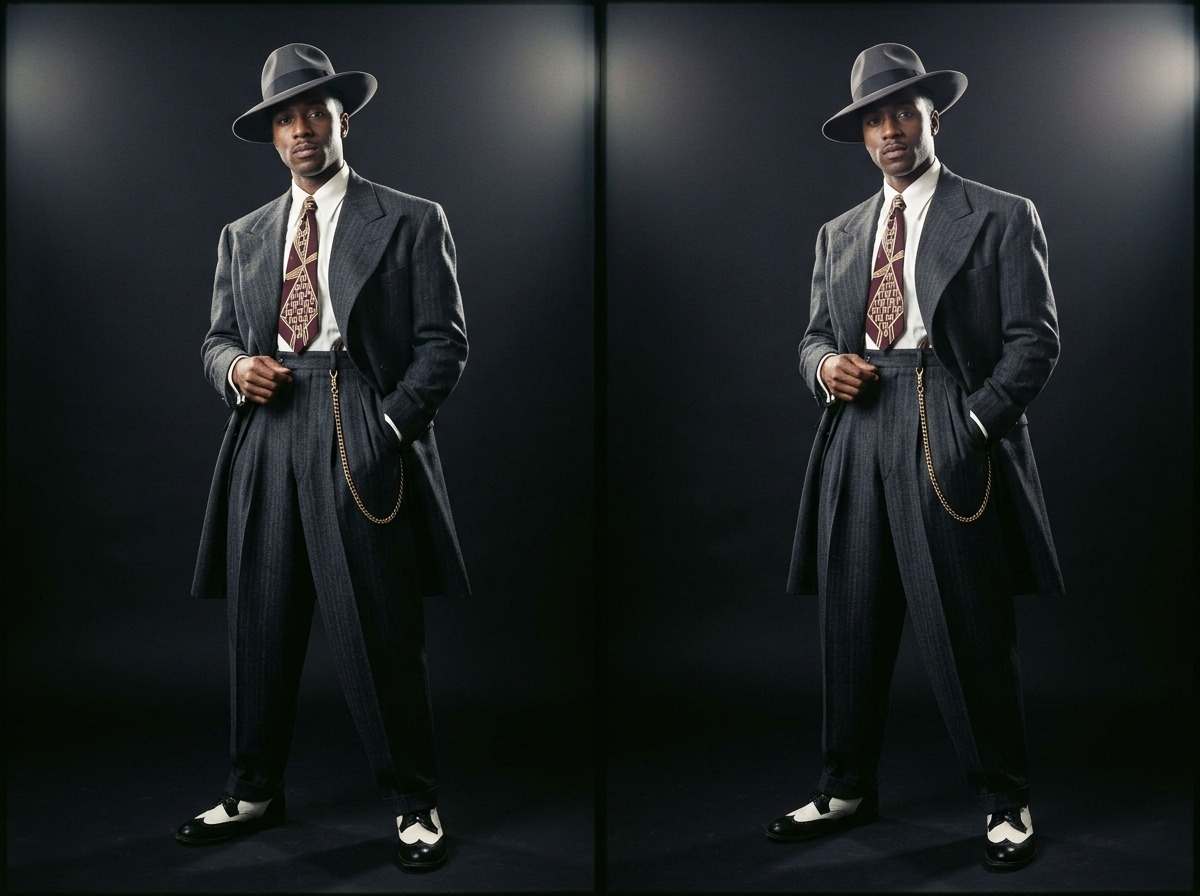
- The Coat: Extended well below the hips to mid-thigh or the knee, providing a flowing silhouette as dancers spun across the ballroom floor.
- The Trousers: Cut high above the natural waist and billowed generously through the thighs to allow unrestricted legwork, before abruptly tapering at the ankle to avoid catching on shoes.
The phrase itself grew out of African American jazz rhyming slang—or ‘jive talk’—popularized by musicians like Cab Calloway, who published his Hepster’s Dictionary in 1938. In jive vernacular, ‘zoot’ was a rhyming exaggeration of ‘suit,’ leading to descriptions such as ‘a zoot suit with a reat pleat, drape shape, and stuff cuff.’
| ★ TRADITIONAL 1940s JIVE VOCABULARY
• Reat Pleat: Deeply pressed, voluminous front trouser pleats providing architectural fullness. • Drape Shape: Loose, flowing jacket silhouette hanging dramatically from heavily padded shoulders. • Stuff Cuff: Tight, pegged ankle opening (often 12–14 inches in circumference) resting cleanly over spectator shoes. |
The Pachuco Subculture and the 1943 Zoot Suit Riots
As the style traveled westward, it was embraced by Mexican American youths in Los Angeles, El Paso, and throughout the American Southwest, who formed the Pachuco subculture. For young Chicanos facing segregation and socioeconomic marginalization, the suit (el tacuche) served as an armor of dignity, solidarity, and self-definition.
Following the United States’ entry into World War II in 1941, the War Production Board issued Order L-85 (regulating women’s clothing) and Order L-224 (regulating men’s apparel). These edicts strictly rationed natural wool and cotton fabrics, mandating the ‘Victory Suit’—a trim, collarless, cuffless, and vestless design engineered to conserve raw materials for military uniforms.
Because authentic zoot suits required yards of excess fabric, bootleg tailors continued producing them off the books. Mainstream media and wartime authorities quickly reframed the excessive fabric as unpatriotic and delinquent.
Tensions reached a breaking point in June 1943 during the Los Angeles Zoot Suit Riots. Thousands of white servicemen, joined by local police and civilians, attacked, stripped, and beat Mexican American, African American, and Filipino youths wearing zoot suits on the streets of Southern California. Far from being a mere fashion trend, the garment became the flashpoint for some of the era’s most intense discussions surrounding civil rights, race, and urban politics.
2. Visual Anatomy and Architectural Styling
Understanding the zoot suit requires examining its tailoring proportions. Unlike standard tailored suits that conform closely to the wearer’s natural contours, the zoot suit constructs an architectural, exaggerated silhouette.
Key Silhouette Specifications
| Garment Section | Historical Specification | Modern Commercial Adaptation |
| Jacket Length | 38″–44″ (reaching the lower thigh or knee) | 34″–38″ (longline drape) |
| Shoulder Padding | Heavy, structured, squared; 2″–3″ past natural point | Moderate structure with canvas chest piece |
| Lapel Style | Ultra-wide peaked lapels (up to 5″ across) | Peaked or wide shawl lapels |
| Trouser Rise | 15″–18″ (fastened just beneath the ribcage) | 12″–14″ (high-rise waist) |
| Knee Circumference | 28″–34″ full ballooning cut | 22″–26″ relaxed drape |
| Ankle Peg (Cuff) | 11″–13″ with deep cuffs (up to 3″) | 14″–16″ tapered opening |
Archival Accessories
A complete zoot suit ensemble relies on specific period accessories:
- The Watch Chain (La Cadena): A long, gold or silver loop chain clipped to the waistband belt loops, hanging down past the knee before looping back into the trouser pocket.
- The Hat: A broad-brimmed felt fedora or trilby, often styled with a pheasant feather cockade nestled into the grosgrain ribbon.
- Footwear: Two-tone spectator oxfords (wingtips in black-and-white or brown-and-cream) with thick soles built for swing dancing.
- Neckwear: Vibrant, wide silk ties or ‘butterfly’ bow ties knotted over spread-collar shirts.
3. The Female Zoot Suit: Pachucas and Modern Tailoring
While historical records often focus on male zoot suiters (Pachucos), women were central to the movement. Mexican American young women who adopted the subculture were known as Pachucas.
The Pachuca Style Politics
Pachucas openly rejected both traditional Mexican gender expectations and mainstream American feminine dress codes. Their sartorial choices challenged societal standards of modesty during the 1940s:
- The Tailored Pachuca Uniform: Longline fingertip coats worn over pleated, high-waisted knee-length skirts, or full high-waisted pegged trousers identical to the men’s cuts.
- Grooming and Cosmetics: Pachucas wore their hair in towering bouffant or pompadour styles, accented by dark, dramatic lipstick and penciled arched eyebrows.
- Footwear: Saddle shoes or platform wedge heels paired with dark or contraband mesh stockings (which were heavily rationed during the war).
Modern Feminine Power Dressing
Today, the female zoot suit is a touchstone for power dressing and avant-garde runway fashion. Contemporary womenswear designers frequently draw from the high-rise, drop-waist pleated pants and exaggerated, sharp-shouldered longline blazers pioneered by 1940s Pachucas.
4. Buyer’s Guide: Sourcing and Fitting a Zoot Suit
Whether you are building a wardrobe for vintage swing events, stage productions, or personal fashion, purchasing a zoot suit requires different considerations than buying standard contemporary tailoring.
Choosing Fabric: Authenticity vs. Performance
- Heavyweight Wool & Worsted Wool (350–450 gsm): The standard for period-accurate drape. Wool holds deep box pleats and provides the necessary weight for the trouser legs to hang cleanly without collapsing.
- Wool-Rayon / Polyester Blends (280–350 gsm): A popular choice for swing dancers and stage performers. Rayon adds a smooth, swinging drape while remaining lighter and cooler under stage lighting or during athletic dance sessions.
- Gabardine (Cotton or Wool): Featuring a tight twill weave, gabardine resists creasing and provides a smooth finish reminiscent of 1940s dance wear.
Key Fit Checks Before Buying
- Shoulder Seams: The shoulder line of a zoot suit is intentionally widened. When trying on a jacket, ensure the internal pads sit level without sagging downward.
- Torso & Drop: Even though the jacket skirt is long, the waist should still have subtle suppression to avoid looking like an unshaped box.
- Trouser Rise: The trousers must sit at your true natural waist (above the belly button). If worn on the hips like modern jeans, the crotch will hang too low and restrict movement.
- Pegged Inseam: Measure from your natural waist to the top of your shoe heel. The cuff should sit cleanly on the vamp of your shoe without creating excessive fabric breaks.
5. Finding a Zoot Suit for Sale in the UK
For buyers in the United Kingdom, finding authentic 1940s tailoring involves navigating bespoke tailors, vintage revival specialists, and costume outlets.
Bespoke and Specialty Heritage Tailors
For authentic, period-accurate garments, bespoke tailors specializing in historical British and American cuts are the premier route:
- Specialist Vintage Tailors: Ateliers such as London-based Rocacha Tailoring create made-to-measure 1930s and 1940s suits, including authentic zoot styles, Jazz-age drapes, and Oxford bags using heritage British wool mills.
- Savile Row & Northern Mills: Many bespoke tailors across London and Leeds can draft zoot patterns using 14oz British worsted wool or Huddersfield cloth, provided you supply precise specification sheets for the drape and peg widths.
Vintage Festivals and Swing Communities
The UK hosts some of the world’s most active retro and vintage dance communities. Dedicated trading markets at these events are excellent spots to buy ready-to-wear or pre-owned zoot suits:
- Twinwood Festival (Bedfordshire): The UK’s flagship 1930s–1950s music and vintage festival, hosting dozens of specialist clothing vendors.
- Goodwood Revival (West Sussex): Offers high-end historical clothing markets where mid-century menswear dealers congregate.
- Rhythm Riot (Rye): A prime hub for rhythm-and-blues and 1940s jump-jive clothing vendors.
UK vs. US Sizing and Conversion Guide
| Measurement | UK / US Size | EU Size | Recommended Zoot Adjustments |
| Chest Size | 38R (38 Inches) | 48 | Order true chest size; drape is built into the cut |
| Chest Size | 40R (40 Inches) | 50 | Order true chest size; avoid sizing up |
| Chest Size | 42R (42 Inches) | 52 | Tailor jacket sleeves to mid-palm break |
| Chest Size | 44R (44 Inches) | 54 | Ensure trouser waist matches high natural waist |
| Trouser Waist | 32″–34″ (Natural) | 42–44 | Measure at navel, NOT hip bone |
Note for UK buyers ordering from overseas: When importing vintage or reproduction zoot suits from US-based specialists (such as Suavecito or El Pachuco), calculate UK VAT (20%) plus customs duty applied to clothing goods arriving from outside the UK.
6. Frequently Asked Questions (FAQs)
Q: Why was the zoot suit banned during World War II?
The zoot suit was not banned by a single criminal statute, but rather restricted by government fabric conservation orders (specifically War Production Board Orders L-85 and L-224). These regulations limited the amount of wool and cotton used in civilian garments to conserve materials for military uniforms. The manufacture of suits with wide cuts, long jackets, and deep pleats became illegal for commercial manufacturers, turning the garment into contraband.
Q: What is the difference between a zoot suit and a standard 1940s suit?
While standard 1940s suits featured wider lapels and fuller legs than modern slim suits, a zoot suit pushed these features to extremes. A zoot jacket is significantly longer (often reaching the knee), shoulders are heavily padded and extended, and the trousers balloon dramatically at the thigh before tapering sharply to a tight cuff at the ankle.
Q: Can women wear zoot suits?
Yes. Historically, 1940s Pachucas pioneered feminine zoot style by pairing longline drape jackets with high-waisted pegged trousers or pleated knee-length skirts. Today, zoot suits are worn across all genders in dance communities, theater, and high fashion.
Q: How do I clean and maintain a wool zoot suit?
Because of the heavy internal canvas, shoulder pads, and deep pleats, an authentic wool zoot suit should never be machine washed. Sponge and brush minor surface dirt with a clothes brush. Have the suit professionally dry-cleaned only when necessary, and request hand-pressing to keep the sharp pleats and drape roll intact.
Q: Where can I buy a zoot suit in the UK?
High-quality options in the UK range from bespoke vintage tailors (such as Rocacha in London) to dedicated vintage festival traders at events like Twinwood Festival and Goodwood Revival. Online vintage markets (including curated Etsy shops and retro dancewear suppliers) also offer ready-to-wear options.
