

Silver Earring Hooks Are Hypoallergenic & Comfortable
September 14, 2026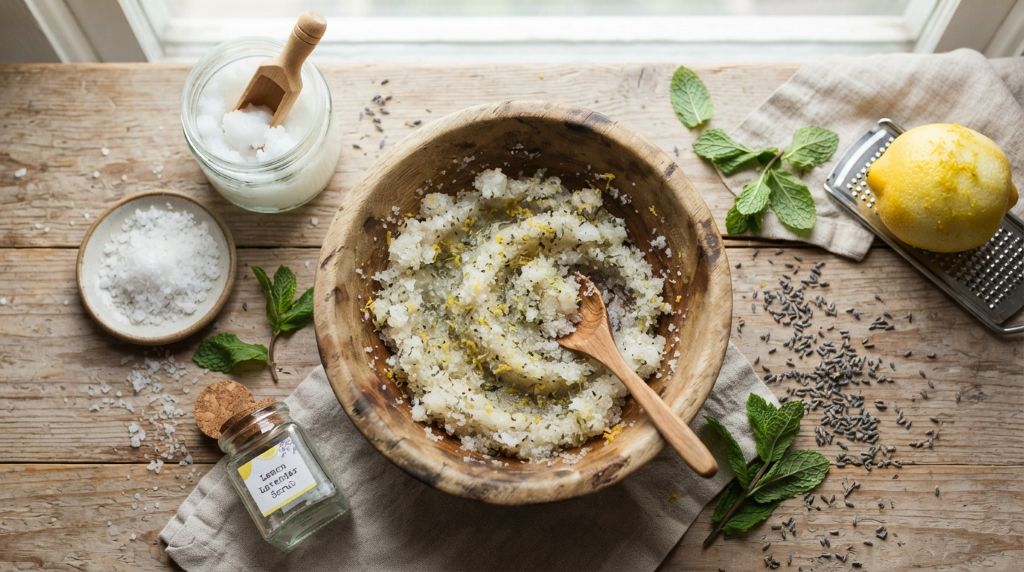
Homemade body scrubs feel wonderful and save real money. However, they come with one big problem. Water. Your damp, steamy shower is the perfect home for bacteria and mold. Many people mix a scrub, leave it in the shower, and wonder why it turns sour within two weeks. The good news is simple. With the right ingredients and smart storage, a homemade scrub can stay fresh for weeks. In this article, I show you how to make a clean body scrub that is truly safe for shower storage. I will also share the moldy jar mistake that taught me everything about scrub safety. By the end, you will have recipes, storage rules, and clear warning signs to watch for.
Why Water Is the Biggest Threat to Your Homemade Scrub
Water is life for bacteria and mold. Every drop that drips into your scrub jar feeds them. Warm shower air speeds up their growth even more. Therefore, a wet spoon or wet fingers can ruin a fresh batch overnight.
Science backs this concern up. A 2019 study from Aston University tested used beauty products and found most carried bacteria, including E. coli and Staphylococcus. The researchers blamed dirty hands and shared containers for the spread. The lesson applies directly to homemade scrubs. They contain no strong preservatives, so cleanliness matters even more.
Store-bought scrubs survive because factories add special preservatives. Homemade versions skip those chemicals. Therefore, your protection must come from three sources instead:
- Dry handling: keep every drop of water out of the jar
- Natural preservers: sugar, salt, and honey fight microbial growth
- Small batches: use the scrub up before it can spoil
Reminds makers that water-based products spoil fastest. This is why your recipe choices matter. Oil, sugar, and honey based scrubs resist spoilage well. Fresh fruit, milk, or aloe based scrubs do not. Therefore, skip anything fresh or watery if the jar will live in your shower.
Shelf-Stable Ingredients That Keep Your Scrub Safe
Choosing the right ingredients solves half the safety problem. Some pantry items naturally fight bacteria and mold. Others invite them in. Build your scrub from this safe list:
- White or brown sugar: high sugar content pulls moisture away from germs
- Fine sea salt: salt preserves the same way it preserved food for centuries
- Coconut oil: solid at room temperature and naturally resistant to spoilage
- Olive or sweet almond oil: stable liquid oils that rinse off cleanly
- Honey: one of nature’s oldest preservers with real antibacterial power
- Vitamin E oil: a gentle antioxidant that slows oil from turning rancid
Sugar and salt work through a simple process. They pull water out of bacterial cells, so the germs dry out and die. Honey works in a similar way. Additionally, it carries enzymes that fight microbes. Ancient Egyptian tombs still held usable honey after thousands of years. That fact says everything about its staying power.
However, some popular ingredients fail this test completely. Avoid these in any shower-stored scrub:
- Fresh fruit or juice: spoils within days
- Milk, yogurt, or cream: bacteria multiply fast in dairy
- Fresh aloe gel: molds quickly once cut
- Egg whites: a serious food safety risk in warm rooms
- Water of any kind: the fastest path to contamination
Dried ingredients are a different story. Ground coffee, cocoa powder, dried lavender, and ground oats all stay safe. They add scent, color, and texture without adding water. Therefore, build your recipe around dry and oily ingredients only. That single rule eliminates most spoilage problems before they start.
Two Simple Recipes That Are Safe for Shower Storage
Both recipes below use only shelf-stable ingredients. Each makes a small batch sized for four to six uses. Smaller batches mean fresher scrub, so resist the urge to double them.
Recipe one: brown sugar honey scrub
- Mix 1 cup of fine brown sugar in a clean bowl
- Add 1/3 cup of melted coconut oil
- Stir in 1 tablespoon of pure honey
- Add 5 drops of vitamin E oil
- Spoon the mix into a clean, dry glass jar
This scrub suits normal to dry skin. The honey preserves while the sugar softens. It stays fresh for six to eight weeks with dry handling.
Recipe two: coffee coconut scrub
- Combine 1/2 cup of finely ground used coffee, fully dried
- Add 1/2 cup of white sugar
- Stir in 1/3 cup of coconut oil
- Mix until every grain looks evenly coated
Important detail here. Dry your coffee grounds fully before mixing. Spread them on a baking sheet overnight first. Wet grounds carry moisture, and moisture invites mold. This scrub lasts about six weeks.
Sterilize your jar before filling either recipe. Wash it with hot soapy water, rinse well, then dry it completely in a warm oven for ten minutes. Any leftover water becomes your first contamination risk. Additionally, wipe the jar rim after every use.
How to Store Your Scrub in the Shower the Right Way
Even a perfect recipe fails with careless storage. Your shower habits decide whether the scrub lasts six weeks or six days. Follow these rules every time:
- Use a spoon, never your fingers: fingers carry bacteria straight into the jar
- Choose a wide-mouth glass jar: glass resists stains and smells better than plastic
- Keep the lid tight between uses: steam sneaks into loose lids
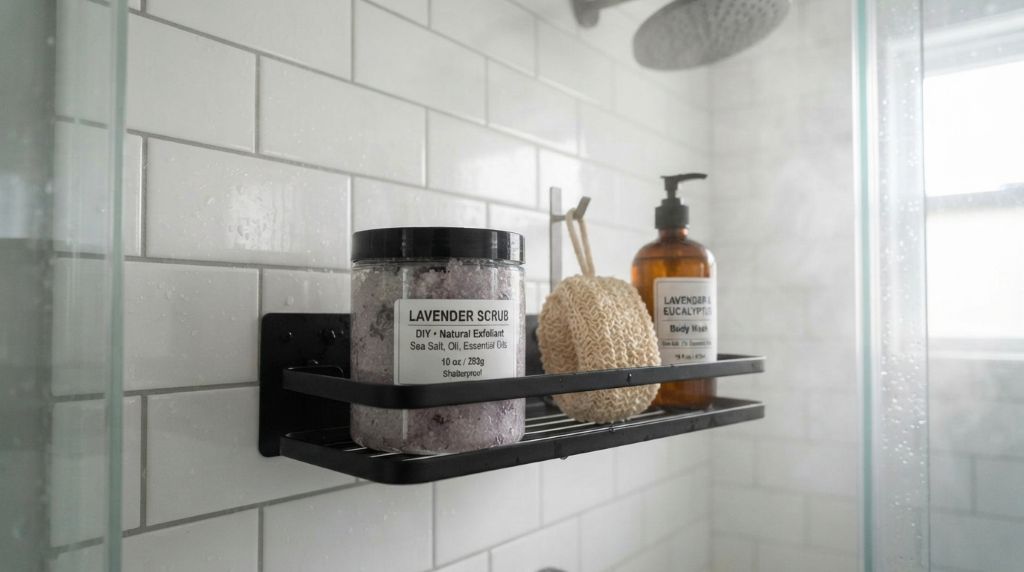
- Store the jar away from the water spray: a high shelf or corner niche works well
- Scoop out only what you need: never pour unused scrub back into the jar
- Close the lid before turning on the water: this one habit blocks most steam
Placement matters more than people expect. A jar sitting directly under the showerhead collects water droplets all day. Therefore, move it at least a few feet from the spray path. A small corner shelf or a suction basket on the far wall works well.
Label your jar with the date you made it. Memory fades fast, and old scrub looks identical to fresh scrub. A strip of tape and a marker solve that problem. Additionally, give the contents a quick sniff each week. Fresh scrub smells like its ingredients. Sour, musty, or strange smells mean the batch has failed.
One more habit worth building. Wash and dry your spoon after every use, or keep a dedicated spoon in a dry spot outside the shower. This tiny step removes the biggest contamination source in your whole routine.
My Personal Story: The Moldy Jar That Taught Me Everything
I learned these rules the hard way. Three years ago, I made a large batch of coffee scrub. I mixed in fresh coconut milk because a video promised extra softness. The scrub smelled amazing for three days. On day five, I noticed gray fuzz growing along the jar rim. By day seven, the entire surface wore a film of mold.
Honestly, I felt embarrassed. I had washed the jar casually and scooped the scrub with wet fingers. Every mistake on this page, I made in one batch. Worse, I had already used the scrub twice before spotting the mold. Luckily, my skin escaped without infection. However, I threw away the batch and started researching scrub safety that same night.
My second attempt used the brown sugar honey recipe above. I sterilized the jar, dried the sugar, and added a small wooden spoon that stayed outside the shower. That batch lasted seven full weeks. It smelled as fresh on week seven as it did on day one. The texture never changed, and no fuzz ever appeared.
That moldy jar taught me a valuable lesson. Safe homemade products depend more on habits than recipes. The fanciest ingredients cannot rescue careless handling. Therefore, I now treat every scrub jar like a small science project. Clean tools, dry hands, tight lids, and small batches. My skin has thanked me ever since, and my shower still holds a fresh jar today.
Warning Signs Your Scrub Has Gone Bad
Even with perfect care, every batch eventually expires. Learn to spot the warning signs early:
- A sour, rancid, or musty smell
- Gray, green, or white fuzz on the surface
- A color change from the day you made it
- A watery or separated texture that stirring will not fix
- Bubbles or fizzing inside the jar
Any single sign means one thing. Throw the batch away. Do not scoop out the bad part and keep the rest. Bacteria spread invisibly through the whole jar. Scrubs are cheap to remake, so never risk your skin to save a few dollars. Additionally, mark a two-month maximum on your calendar for any shower-stored scrub, even when it looks perfect.
Conclusion: Clean Habits Make Homemade Scrubs Shower-Safe
Keeping a homemade scrub in the shower is completely safe with a few smart rules. Choose dry, shelf-stable ingredients like sugar, salt, oil, and honey. Skip fresh fruit, dairy, and water entirely. For extra skin-friendly inspiration, consider eco-friendly bridal fabrics for sensitive skin when planning other products and materials for sensitive skin. Sterilize your jar, scoop with a spoon, and keep the lid tight between uses. Store the jar away from direct spray, and trust your nose every week. Small batches finish before spoilage can begin.
My moldy coffee scrub cost me one afternoon and a little pride. It gave me a routine that has kept every batch since fresh and safe. Your first careful batch can do the same.
Do you make your own body scrubs at home? Have you ever lost a batch to mold or a sour smell? Share your story and your favorite recipe in the comments below. If this guide helped you, please pass it to a friend who loves natural skincare.
How long does a homemade body scrub last in the shower?
With dry handling and a tight lid, sugar or salt scrubs last four to eight weeks.
Can I use fresh ingredients like lemon or coconut milk?
No. Fresh ingredients spoil quickly and grow bacteria in warm, humid showers.
Should I keep my scrub in the fridge instead?
Yes, fridge storage extends freshness, however a spoonful taken into the shower must stay dry.
Why did my homemade scrub get moldy?
Water from wet fingers, steam, or fresh ingredients fed mold growth inside the jar.
Is a plastic or glass jar better for shower storage?
Glass is the better choice because it resists stains, odors, and bacteria buildup over time.
