

MIULEE Pillow Covers Add Easy Comfort & Soft Style
September 13, 2026
Few things are more frustrating than finding a pair of earrings you love, only to have your earlobes turn red, itchy, or swollen a few hours later. For people with sensitive skin, the metal in the earring hook matters as much as the design itself. Sterling silver hooks solve that problem for many wearers while staying comfortable enough for all-day use. This article explains why silver hooks are a smart choice, how to spot quality construction, and what to check before buying Arizona style fish hook earrings or any similar drop design.
Key Takeaways
- Sterling silver (925) is a strong hypoallergenic option for most sensitive ears, but it is not the same as nickel-free — trace amounts of other metals can still be present in some alloys.
- Fish hook ear wires rely on a curved shape and gravity for a secure, low-pressure fit, which makes them comfortable for longer wear than many push-back studs.
- The gauge of the wire and the smoothness of the tip affect comfort more than most buyers expect.
- Silver can tarnish, so storage and cleaning habits directly affect how long the hooks stay bright and skin-friendly.
- If you react to sterling silver, titanium or niobium hooks are the next logical step.
Why Hypoallergenic Earring Hooks Matter for Sensitive Ears
The term hypoallergenic gets thrown around loosely, so it helps to understand what it actually means for an earring hook. In practice, a hypoallergenic hook is one that minimizes the metals most likely to trigger contact dermatitis — most commonly nickel, and in some cases cobalt or chromium.
Nickel is the leading cause of metal contact allergy worldwide, and it shows up in a surprising range of inexpensive jewelry. The reaction usually appears as redness, itching, small bumps, or a weeping rash where the metal touches the skin. It rarely appears instantly; it often develops over several hours or after repeated wear.
What Sterling Silver Actually Contains
Sterling silver is defined as 92.5% pure silver mixed with 7.5% other metals, usually copper. That copper content is why sterling silver is harder and more durable than fine silver, and it is also why sterling is not the same as “pure silver.” The alloying metals are typically chosen to reduce nickel exposure, and reputable sterling silver is generally considered a good option for sensitive skin — though anyone with a confirmed metal allergy should still patch-test a new pair.
Where Sterling Silver Sits Compared to Other Metals
| Material | Hypoallergenic quality | Notes |
|---|---|---|
| Sterling silver (925) | Generally good | Tarnishes over time; needs occasional polishing |
| Titanium | Excellent | Very lightweight; often the choice for highly reactive skin |
| Niobium | Excellent | Similar benefits to titanium; available in fewer designs |
| Surgical stainless steel | Mixed | Quality varies; some grades still release nickel |
| Gold-plated or nickel-plated | Poor | Plating wears through and exposes the base metal |
If you have reacted badly to cheap fashion earrings before, the pattern usually points to plated or base-metal hooks rather than the earring’s decorative portion. That is why replacing just the hook can sometimes solve the problem.
How Fish Hook Ear Wires Deliver Comfort
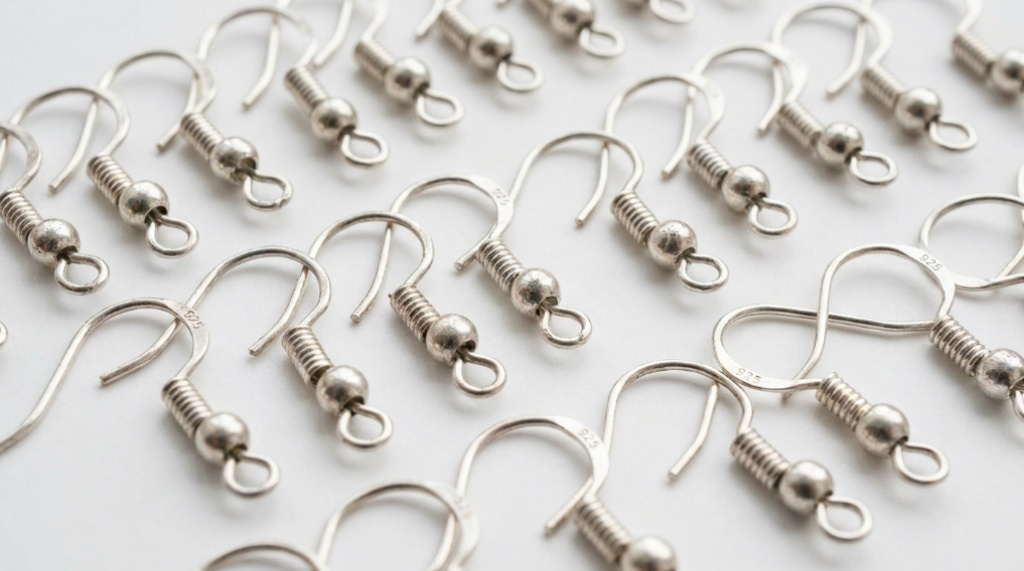
A fish hook ear wire, sometimes called a French hook, is a curved wire that passes through the piercing and hangs from the ear by its own shape rather than by a clasp. There is no backing to tighten, no pressure point behind the lobe, and no fiddly mechanism to manage. That combination is why so many people find them comfortable for long events, workdays, or travel, For more styling inspiration, check out how to combine jewelry with clothes some practical tips!
The trade-off is security. Without a back, a fish hook can slip out if it is snagged by a scarf, seatbelt, or hair. Many designs solve this with a small rubber or silicone safety back that slides onto the tail of the hook, which keeps the earring in place without adding the pressure of a traditional backing.
Details That Separate a Good Hook From a Mediocre One
- Wire gauge: Thinner wire is easier to insert but bends more easily; thicker wire stays in shape but can feel tight in smaller piercings.
- Tip finish: A smoothly polished end slides through the piercing without scratching. Rough or burred tips are a common complaint on low-cost earrings.
- Curve depth: A well-shaped hook sits close to the lobe and balances the earring’s weight without pulling forward.
- Weight of the earring: Even a comfortable hook can feel heavy if the decorative piece below is bulky, which is why balance matters as much as shape.
Are Fish Hooks Right for Every Ear?
No. They work best for healed piercings in lobe positions. If you have a fresh piercing, a cartilage piercing, or a piercing that tends to close quickly, a hook without a secure back is usually the wrong choice. For active wearers — sports, physical work, roughhousing with kids — a locking back or a screw-back design is a safer option even if it is slightly less comfortable.
What to Look for When Buying Silver Hooks
The single most useful thing you can do is verify the metal. A “925” stamp or “sterling” mark indicates the piece meets the sterling silver standard. If the listing does not state the metal clearly, treat the hook as unverified.
Beyond the stamp, check three practical things:
- Hook material versus earring material. Some earrings use sterling hooks with a plated or base-metal charm. If your sensitivity is severe, confirm both parts.
- Coating claims. Some sterling silver is rhodium-plated to slow tarnishing. Rhodium plating is generally well tolerated, but it can wear off over time.
- Return policy. If you have reacted to metals before, buying from a seller with a reasonable return window reduces the risk of being stuck with an unwearable pair.
Common Misconceptions About Silver and Sensitive Skin
Two beliefs cause most of the confusion around silver earrings.
The first is that “hypoallergenic” means “guaranteed no reaction.” It does not. Hypoallergenic simply means the item is less likely to trigger a reaction than typical costume jewelry. Individual sensitivity varies, and a small number of people react to copper or to trace metals in the alloy.
The second is that tarnish is a sign of fake silver. Tarnish is a normal chemical reaction between silver and sulfur compounds in the air. It is not a defect and does not indicate low quality — but it does mean an unpolished silver hook can leave a dark mark on skin. Keeping hooks dry and stored in a tarnish-resistant pouch or bag slows this considerably.
Quick Comfort Checklist Before You Wear a New Pair
- Run a fingertip along the wire to check for rough edges.
- Confirm the hook sits flat against the lobe, not pressing inward.
- Attach safety backs if the earring hangs long or swings freely.
- Wear the earrings for a short period first if you have known sensitivities.
- Remove them before showering, swimming, or applying lotions and perfumes.
Caring for Sterling Silver Hooks
Silver hooks stay comfortable and skin-friendly when they stay clean. Oils, hair products, and skincare residue build up on the wire and can cause irritation even when the metal itself is fine.
A simple routine works well: wipe the hooks with a soft polishing cloth after each wear, store them in an airtight pouch, and use a silver polishing cloth rather than abrasive cleaners when tarnish appears. Avoid chlorine and harsh household chemicals, which speed up tarnishing. If a hook bends out of shape, gently reshape it rather than forcing the wire, which can create a crack over time.
Frequently Asked Questions
Are sterling silver earring hooks safe for sensitive ears?
For most people, yes. Sterling silver is one of the more widely tolerated jewelry metals, and it avoids the nickel-heavy alloys used in many cheap fashion earrings. However, sterling silver contains a small percentage of other metals, so a minority of people with metal allergies may still react. Patch-testing a new pair is a reasonable precaution.
What is the difference between a fish hook and a French hook?
They are the same design under two names. Both describe a curved wire that passes through the piercing and hangs without a backing. The terminology varies by region and by seller.
Can I wear fish hook earrings to sleep?
It is generally better not to. Without a back, the hook can shift, snag on bedding, or press against the lobe overnight, which increases the risk of irritation or losing the earring. Removing them before bed also reduces exposure to sweat and hair products.
Why does my sterling silver turn my skin green or black?
That discoloration comes from tarnish and from the copper in the alloy reacting with acids in your skin, sweat, or cosmetics. It is harmless and easily cleaned off both skin and jewelry. Polishing the hooks and keeping them dry helps prevent it.
What should I do if sterling silver still irritates my ears?
Switch to titanium or niobium hooks, which are the most reliably inert options. If irritation continues with those, the cause may be something other than metal — such as a buildup of residue on the earring, a mild infection, or an unrelated skin condition — and a doctor can help identify it.
Conclusion
Sterling silver earring hooks offer a practical balance of comfort and low reactivity for most sensitive ears, and fish hook designs in particular avoid the pressure points that make studs uncomfortable for long wear. The key is verifying that the hook is genuinely sterling silver, checking the wire finish and gauge, and keeping the metal clean. If your skin is highly reactive, titanium or niobium is the safer fallback. For everyone else, a well-made silver hook is a low-risk, comfortable everyday choice.
