

Best Men’s Shirts That Look Stylish Without Breaking the Budget
June 28, 2026
How to Choose a Backpack That Meets Airline Carry-On Rules
June 29, 2026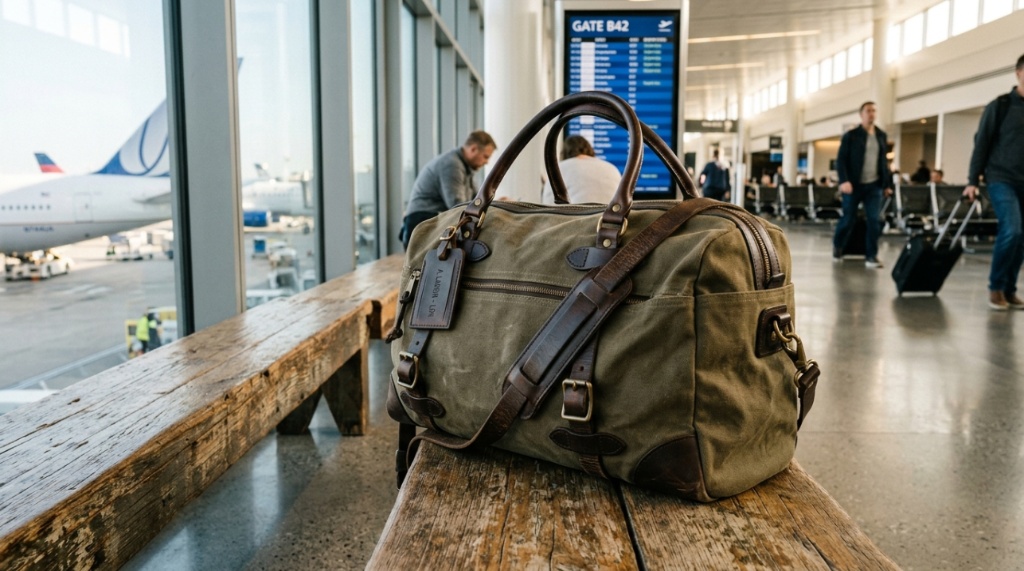
You have a trip coming up, and you need a bag. But the market is flooded with overpriced options that fall apart after one flight, and flimsy cheap bags that leave you wrestling with broken zippers at baggage claim. The frustration of wasting money on a bag that fails is all too common.
What Features Actually Matter in a Budget Duffel Bag?
When shopping on a budget, you must prioritize features that directly impact longevity and usability. The most critical features are material strength, zipper quality, and strap construction. Do not fall for marketing gimmicks like “premium leather trim” on a cheap bag—focus on the parts that actually break.
Material Types Compared
| Material | Durability | Weight | Water Resistance | Cost |
|---|---|---|---|---|
| 600D Polyester | Good | Light | Moderate | Low |
| 1000D Nylon | Excellent | Medium | High | Medium |
| Cotton Canvas | Fair | Heavy | Low | Low |
| Ripstop Nylon | Excellent | Very Light | High | Medium |
Ripstop nylon offers the best balance of weight and toughness for budget travelers. Avoid canvas unless you are only packing for a weekend road trip, as it soaks up water and adds significant weight.
Why Do So Many Cheap Duffel Bags Fall Apart Within Months?
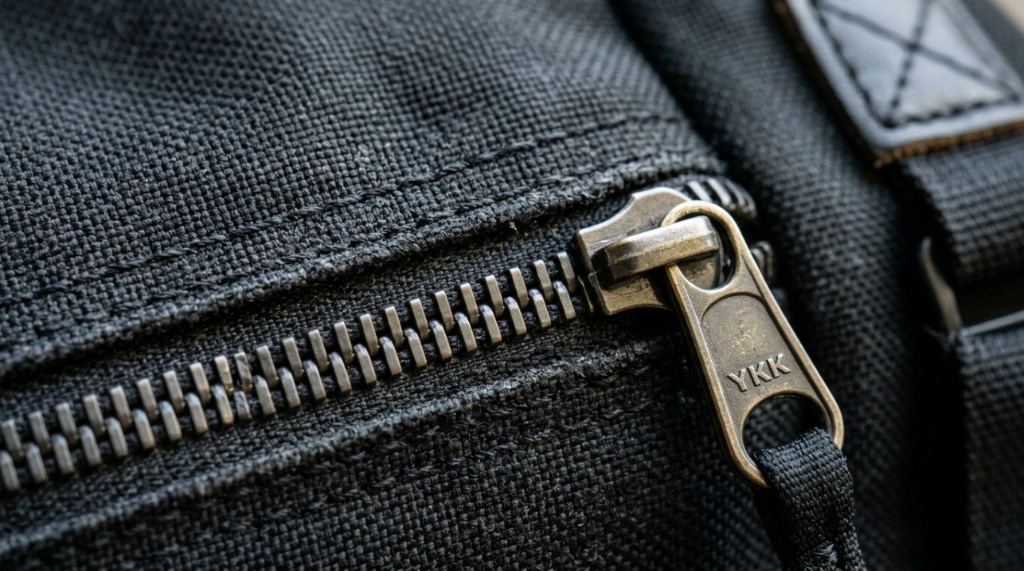
The primary reason budget duffel bags fail is cost-cutting in stress points. Manufacturers use thinner fabric, single-stitched seams, and plastic hardware to hit a low price. The zipper is almost always the first casualty. A broken zipper essentially kills the bag, regardless of how good the fabric looks.
The Hidden Weakness: Zippers
Look for #8 or #10 gauge zippers. Cheap bags often use #5 zippers that jam under pressure. If the description does not list zipper size, assume it is undersized. Brands that invest in YKK zippers—even on budget models—are worth the extra few dollars.
Stitching Tells the Truth
Inspect the stitching on the handles and strap attachments. Double stitching or bartack stitching at high-stress areas is non-negotiable. If the stitching is loose or uneven in product photos, expect failure within three uses.
How Can You Tell if a Duffel Bag Is Overpriced?
Overpricing happens when a brand charges for aesthetics instead of function. A bag that costs $150 made from the same 600D polyester as a $50 bag is overpriced. Look for value in construction details, not brand logos or trendy patterns.
Compare the hardware. Metal D-rings and buckles indicate a higher build quality than plastic ones. If a bag uses plastic clips for the shoulder strap, it is likely overpriced at anything above $60. The true value lies in how the bag is assembled, not how it looks on a shelf. That is why knowing how to buy a budget travel duffel bag that actually lasts is a skill every traveler needs. A smart purchase balances price, durability, and utility without sacrificing your paycheck. This guide walks you through every decision point to ensure you get maximum value.
Which Size Duffel Bag Is Most Versatile for Different Trips?
A 40- to 50-liter duffel bag offers the most versatility for weekend getaways, gym trips, and even short international travel as a carry-on. This size fits in most airline overhead bins while still accommodating three to four days of clothing.
Size Guide by Trip Type
- Weekend trip (1–3 days): 30–40 liters. Fits under a seat or in overhead bin.
- Extended trip (4–7 days): 50–70 liters. Checked baggage required for flights.
- Gym or day trips: 20–30 liters. Small enough for a locker.
- Travel with gear (shoes, jacket): 60+ liters. Needs a duffel with compression straps.
Buying a 40-liter bag first gives you the most use cases. You can always upgrade to a larger size later if you travel heavier.
When Is It Worth Spending More Than the Minimum?
Spending between $50 and $80 is the sweet spot for a budget travel duffel bag that will last several years. Below $30, you are almost certainly buying a disposable bag. Above $100, you enter the territory of diminishing returns unless the bag includes features like a detachable shoulder strap, lockable zippers, or a shoe compartment.
Invest a little more if you travel frequently by air. Airline handling is brutal on bags. A bag with reinforced corners and a padded base will survive baggage carousels much longer than a basic duffel. That extra $20 saves you from buying a replacement next year.
Can a Duffel Bag Replace a Suitcase for Budget Travelers?
Yes, a duffel bag can replace a suitcase for most budget travel scenarios, provided you choose wisely. Duffel bags are lighter, more flexible, and easier to store than hard-sided suitcases. They also compress into tight spaces, which is useful for hostels, trains, and car travel.
When a Duffel Bag Wins Over a Suitcase
- You are backpacking or moving between multiple destinations.
- You need to pack irregular shapes like hiking boots or camping gear.
- You are traveling on budget airlines with strict weight limits—duffels weigh less than suitcases.
- You have limited storage space at home.
When to Stick with a Suitcase
- You carry fragile items like laptops or cameras.
- You prefer organized packing with compartments.
- You travel for business and need a professional appearance.
For most budget leisure travelers, a duffel bag is the smarter, cheaper choice.
How Should You Pack a Duffel Bag to Maximize Space?
Efficient packing transforms a duffel bag from a chaotic mess into a highly functional travel tool. Roll your clothes instead of folding them to reduce wrinkles and save space. Use packing cubes to separate categories—one cube for shirts, one for underwear, one for toiletries.
Place heavier items like shoes at the bottom, against the base of the bag. This stabilizes the bag when carrying it. Stuff socks and belts inside shoes to use every cubic inch. Compression sacks work wonders for bulky jackets and sweaters.
What Are the Most Common Mistakes People Make When Buying a Budget Duffel Bag?
The biggest mistake is ignoring the weight of the bag itself. A heavy canvas duffel eats into your airline weight allowance before you add a single shirt. Another common error is buying a bag without a shoulder strap, assuming you will always carry it by hand. You will quickly regret that decision in a crowded airport.
Top Buying Mistakes
- Buying based on color or style alone. A cool-looking bag with weak zippers is a waste of money.
- Ignoring warranty information. Even budget bags should offer at least a one-year warranty.
- Forgetting to measure airline size limits. A bag that is too big for carry-on forces you to check it, which adds fees.
- Choosing a duffel without external pockets. Having to dig through the main compartment for your phone or passport is frustrating.
- Assuming expensive means durable. Price does not equal quality. Read material specifications, not marketing copy.
Is Water Resistance Important for a Duffel Bag?
Yes, but you do not need a fully waterproof bag unless you are boating or hiking in heavy rain. For general travel, water resistance is sufficient. Look for a DWR (Durable Water Repellent) coating on the exterior fabric. This sheds light rain and splashes without adding cost.
Avoid bags that claim to be “waterproof” at a budget price point. Genuine waterproof bags require waterproof zippers and welded seams, which cost significantly more. A water-resistant duffel paired with a dry bag for electronics is a smarter budget strategy.
How Do You Maintain a Cheap Duffel Bag to Make It Last Longer?
Proper care extends the life of any duffel bag, regardless of price. Clean the bag after each trip. Dirt and sand grind into zippers and fabric, causing premature wear. Store the bag loosely; folding it tightly can crease and weaken the material over time.
Lubricate zippers occasionally with a wax stick or silicone spray. This prevents jamming. If a strap stitch starts to pull, reinforce it with a needle and thread immediately before it completely fails. A five-minute repair can add months of use.
When you are trying to buy a travel duffel bag without wasting money, the biggest trap is falling for cheap materials masquerading as premium brands. Counterfeiters have become incredibly sophisticated at copying external designs while using sub-par hardware. This issue isn’t unique to luggage; learning how to spot premium construction is a skill that saves you money across all fashion investments—whether you are looking at weekenders or trying to recognize an original from a fake Chanel bag before buying from secondary marketplaces
Which Budget Duffel Bag Features Are Worth the Extra Money?
Certain upgrades justify spending a few extra dollars, while others do not. A padded shoulder strap is worth the cost because it makes carrying a heavy load much more comfortable. A shoe compartment is useful but only if it is ventilated; otherwise, it traps odors. Lockable zippers add security for travel, but only if you actually use them.
Features Worth Paying For
- Padded shoulder strap with an anti-slip pad
- Reinforced grab handles
- YKK zippers
- Internal compression straps
- External water bottle pocket
Features You Can Skip
- Built-in USB charging ports (cheap ones break quickly)
- Leather accents (add weight and maintenance without durability)
- Multiple small pockets (overcomplicate packing)
Frequently Asked Questions
Can I use a duffel bag as a carry-on for international flights?
Yes, but only if the duffel bag meets the airline’s size restrictions. Most international airlines allow carry-on dimensions around 22 x 14 x 9 inches. A 40-liter duffel typically fits these limits, but always check your specific airline before traveling.
What is the best material for a budget travel duffel bag?
Ripstop nylon is the best material for budget travelers. It offers high tear resistance, light weight, and decent water resistance at a low cost. It outperforms polyester in durability and canvas in weight.
How much should I spend on a travel duffel bag?
A budget travel duffel bag that balances quality and cost typically ranges from $50 to $80. Spending less than $30 often results in a disposable bag. Spending more than $100 offers minor improvements that may not justify the higher price for casual travelers.
Are duffel bags good for moving or long-term travel?
Duffel bags are excellent for moving because they are flexible and pack into tight spaces. For long-term travel, a duffel with backpack straps and compression systems offers better comfort and organization. Standard duffels without straps become uncomfortable for extended carrying.
How do I clean a nylon duffel bag?
Hand wash with mild soap and warm water. Rinse thoroughly and hang to dry. Avoid machine washing, which can damage coatings and loosen stitching. Spot clean stains immediately to prevent them from setting.
Can a budget duffel bag survive airline baggage handling?
Some can, provided they have reinforced corners, heavy-duty zippers, and double stitching. A budget bag made from 1000D nylon with YKK zippers will survive airline handling. Thin polyester bags with single stitching will tear or burst open.
What is the difference between a duffel bag and a gym bag?
Duffel bags are larger, typically 30–70 liters, and designed for travel or extended use. Gym bags are smaller, often 20–30 liters, with more pockets for toiletries and shoes. For travel, a duffel bag is the better choice due to its larger capacity and more durable construction.
Conclusion
Buying a travel duffel bag without wasting money comes down to focusing on construction quality, material specs, and the right size for your needs. Ignore flashy designs and brand hype. Prioritize a 40-liter bag made from ripstop nylon or 1000D polyester with YKK zippers and reinforced stitching. Spend in the $50–$80 range for the best balance of cost and longevity. Pack smartly, maintain your bag, and you will get years of reliable use from a smart investment. Start your search with confidence, knowing exactly what to look for and what to avoid.
