
How Do Modern Hotels Stay On Trend
April 29, 2026
Minimal Street Style Looks Inspired by Oversized Tees in Seattle, WA
May 6, 2026
Affordable jogging shoes for men in 2026 are budget-friendly running shoes—typically priced between $40 and $120—that provide adequate cushioning, support, durability, and comfort for regular jogging without sacrificing essential performance features.
Choosing affordable jogging shoes for men in 2026 is easier than ever—but also more confusing than before. Hundreds of models promise “cloud-like cushioning,” “energy return,” and “elite comfort” at low prices. The reality? Many budget shoes look impressive but fail after a few weeks of real use.
If you pick the wrong pair, you risk foot pain, knee strain, faster wear-and-tear, and wasted money replacing shoes sooner than expected. The right affordable jogging shoe protects your joints, improves running consistency, and lasts longer than overpriced alternatives.
Affordable jogging shoes for men are not about choosing the cheapest option. They are about selecting the best balance of cushioning, stability, durability, and fit within a smart budget range. In 2026, improvements in foam technology, breathable mesh uppers, and lightweight midsoles make high-quality budget shoes more accessible than ever.
This guide explains exactly how to choose the right pair confidently, avoid common mistakes, and identify features that actually matter.
How do you choose affordable jogging shoes for men without sacrificing quality?
Choose affordable jogging shoes by prioritizing cushioning type, foot support level, outsole durability, breathability, and proper fit instead of focusing on brand names or marketing claims.
Modern budget running shoes now use EVA foam blends, engineered mesh uppers, and flexible rubber outsoles that were previously limited to premium models. The key is knowing which features influence performance and injury prevention.
Focus on these essentials:
- Shock-absorbing midsole cushioning
- Neutral or stability support based on foot type
- Breathable upper mesh
- Durable rubber outsole
- Comfortable heel lockdown
- Correct toe-box width
According to sports footwear market data from Statista, global running shoe technology improvements have reduced manufacturing costs by nearly 18% since 2020, making performance features more accessible in mid-range footwear.
What features matter most in affordable jogging shoes for men?
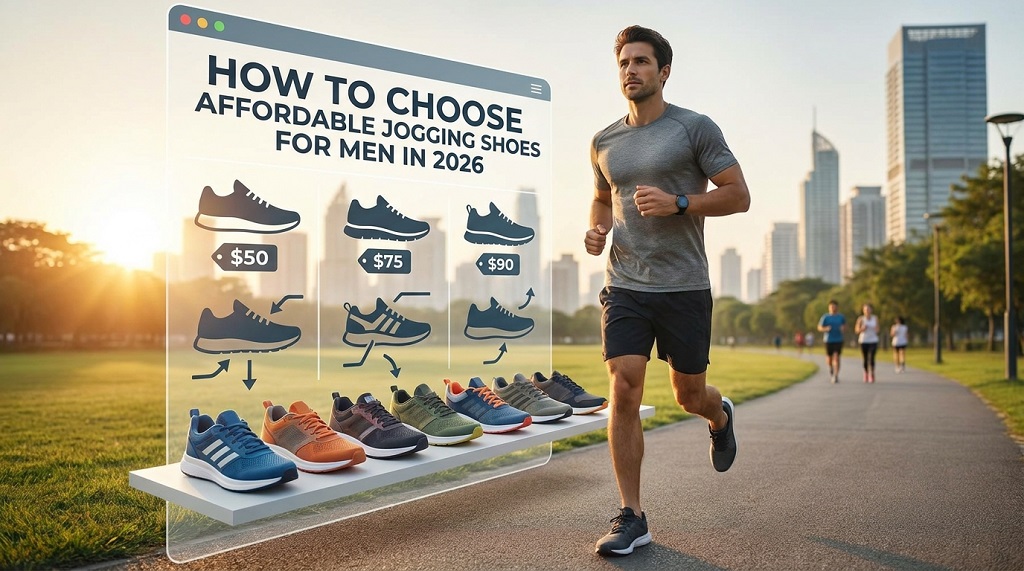
The most important features are cushioning responsiveness, arch support compatibility, outsole grip, upper ventilation, and overall weight balance.
Why is cushioning important for jogging comfort?
Cushioning reduces impact stress on joints and helps maintain consistent stride mechanics during repeated foot strikes.
Look for midsoles using:
- EVA foam blends
- Compression-molded foam
- Energy-return hybrid cushioning
- Dual-density support foam
Proper cushioning lowers injury risk, especially for beginners jogging three or more times per week.
How important is shoe weight for jogging performance?
Lighter shoes improve running efficiency by reducing fatigue during longer jogging sessions.
Ideal jogging shoe weight:
- Lightweight: under 260g
- Balanced: 260g–310g
- Support-focused: 310g–360g
Most affordable jogging shoes in 2026 now fall into the balanced category.
Does outsole durability affect long-term affordability?
Yes, durable rubber outsoles extend lifespan and reduce replacement frequency, making shoes more cost-effective.
Look for:
- Carbon rubber heel zones
- Flex grooves
- Abrasion-resistant forefoot panels
How do you choose jogging shoes based on foot type?
Select neutral shoes for normal arches, stability shoes for flat feet, and cushioned flexible shoes for high arches.
Your arch structure directly affects comfort and injury prevention.
| Foot Type | Recommended Shoe Type | Why It Matters |
|---|---|---|
| Neutral Arch | Neutral Cushioning Shoes | Supports natural stride motion |
| Flat Feet | Stability Shoes | Prevents inward rolling |
| High Arch | Extra Cushioned Shoes | Improves shock absorption |
A simple wet-foot test at home can help determine arch type accurately.
What is the ideal price range for affordable jogging shoes for men in 2026?
The ideal price range is between $60 and $120, where most models include performance cushioning, breathable uppers, and durable soles.
Extremely cheap shoes under $40 often compromise:
- Midsole quality
- Heel support
- Outsole lifespan
- Upper ventilation
Spending slightly more upfront usually reduces long-term replacement costs.
Which materials should you look for in budget jogging shoes?
Choose engineered mesh uppers, EVA midsoles, and rubber outsoles for the best durability-to-price balance.
Why is engineered mesh better than synthetic leather?
Engineered mesh improves airflow and reduces moisture buildup during longer runs.
Benefits include:
- Lower foot temperature
- Reduced blister risk
- Improved flexibility
- Lighter weight structure
Are EVA midsoles reliable for jogging?
Yes, EVA midsoles provide lightweight cushioning and long-term comfort for everyday jogging routines.
Modern compression-molded EVA blends now last significantly longer than earlier versions.
How should affordable jogging shoes fit properly?
Jogging shoes should have a thumb-width gap in the toe box, snug heel support, and secure midfoot lockdown without pressure points.
Proper fit prevents:
- Black toenails
- Heel slippage
- Arch discomfort
- Blisters
Always test shoes in the afternoon when feet naturally expand slightly.
Are expensive jogging shoes always better than affordable ones?
No, expensive jogging shoes often include advanced technologies that recreational runners may not need.
Premium features like carbon plates and ultra-light racing foam mainly benefit competitive runners.
Affordable jogging shoes now include:
- Responsive cushioning
- Breathable uppers
- Flexible midsoles
- Durable traction patterns
For casual jogging, these features are usually sufficient.
How long should affordable jogging shoes last?
Most affordable jogging shoes last between 400 and 700 kilometers depending on running frequency and terrain.
Replace shoes when you notice:
- Midsole flattening
- Heel wear imbalance
- Reduced cushioning comfort
- Outsole traction loss
Replacing shoes on time reduces injury risk by maintaining shock absorption efficiency.
Which mistakes should men avoid when buying affordable jogging shoes?
Avoid choosing shoes based only on price, appearance, brand popularity, or incorrect sizing.
Common mistakes include:
- Ignoring arch support needs
- Buying tight toe boxes
- Choosing heavy training shoes instead of jogging shoes
- Skipping outsole inspection
- Buying lifestyle sneakers instead of performance footwear
Understanding these mistakes helps improve long-term comfort and running consistency.
Are online deals reliable for buying affordable jogging shoes?
Yes, online deals are reliable if you verify size charts, return policies, and user reviews before purchasing.
Look for:
- Verified customer feedback
- Return flexibility
- Official brand listings
- Recent product versions
Buying last year’s model is one of the best strategies for saving money while maintaining quality.
Conclusion
Choosing the right affordable jogging shoes for men in 2026 is about understanding performance essentials rather than chasing premium branding. The best budget-friendly options now deliver cushioning, breathability, durability, and stability once limited to high-end models.
Start by identifying your arch type, selecting lightweight cushioning, ensuring proper fit, and choosing durable outsole materials. Staying within the $60–$120 range typically provides the strongest value-to-performance ratio.
A well-chosen pair supports better running habits, reduces injury risk, and improves comfort over time. Take a few extra minutes to evaluate materials, fit, and support features before buying—your future runs will feel the difference.
FAQ: Affordable Jogging Shoes for Men
What are the best affordable jogging shoes for beginners?
The best affordable jogging shoes for beginners include neutral cushioned models with breathable mesh uppers and EVA midsoles that balance comfort, flexibility, and durability.
Can affordable jogging shoes prevent knee pain?
Yes, properly cushioned jogging shoes with correct arch support reduce joint stress and help prevent knee discomfort during repeated impact movement.
How often should jogging shoes be replaced?
Jogging shoes should typically be replaced every 400–700 kilometers or when cushioning responsiveness noticeably decreases.
Are lightweight jogging shoes better for daily running?
Yes, lightweight jogging shoes improve stride efficiency and reduce fatigue during regular running sessions.
Is it safe to use walking shoes for jogging?
No, walking shoes lack the midsole responsiveness and impact protection required for jogging activities.
Should jogging shoes be one size bigger?
Jogging shoes should be about half a size larger than regular shoes to allow natural toe expansion during movement.
Are older shoe models still good options in 2026?
Yes, previous-generation models often provide excellent value because they retain performance features at reduced prices.
Read More Also: How to Choose Affordable Jogging Shoes for Men in 2026
Discover More: Clean Sneakers or Standout Shoes
