

Y2K Men’s Fashion Silhouette Exaggeration Styling Techniques
January 10, 2026LEAF wearable technology is a sensor-based health and fitness tracking system designed to monitor daily activity, posture, movement patterns, and lifestyle habits to help users make data-backed health decisions.
Health tracking is no longer limited to counting steps or calories. People now want insight into how their daily habits affect long-term health. This is where LEAF wearable technology stands out. LEAF devices are compact, sensor-driven wearables that focus on real-world movement, posture, sleep behavior, and lifestyle patterns.
Unlike bulky smartwatches, LEAF wearables are designed to blend into daily life. They collect data continuously without interrupting your routine. The goal is not just data collection, but behavior awareness. Research published in digital health journals shows that users who track posture, activity, and lifestyle consistency are more likely to improve physical comfort and daily energy levels within 8–12 weeks.
When people search for how to track health with LEAF wearable, they are usually looking for a simple system that works in the background while still delivering actionable insights. LEAF focuses on habit-level tracking, which bridges the gap between raw data and real health outcomes.
Why do most people struggle to track their health consistently?
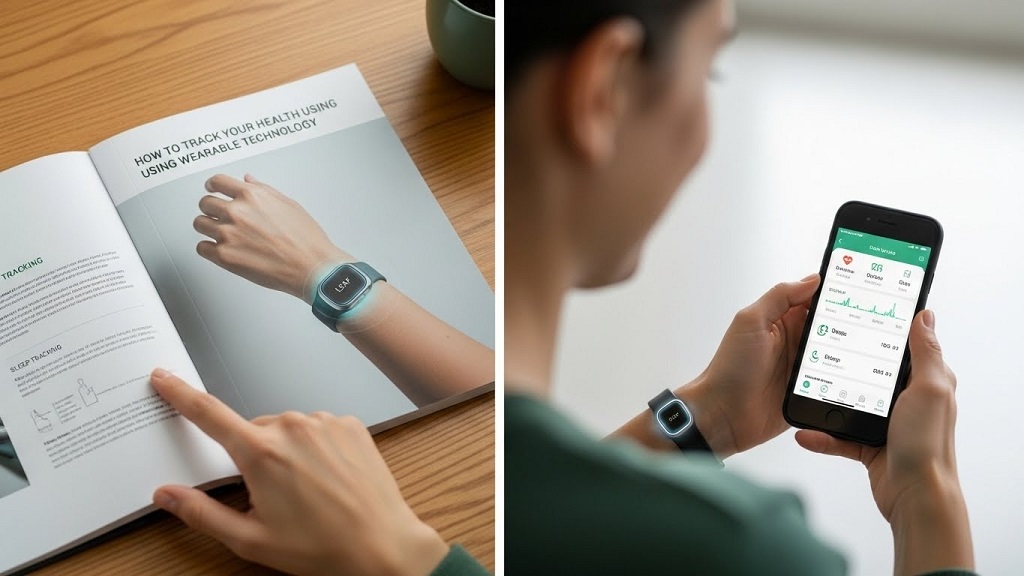
Snippet answer: Most people fail at health tracking because tools are complex, data feels overwhelming, and insights are not linked to daily habits.
This is the core problem. Many health tracking tools give numbers without context. Users see charts, graphs, and metrics but don’t know what to change. According to a 2023 consumer wearable study, over 42% of users stop using fitness trackers within six months due to data fatigue.
Common issues include:
- Too many metrics with no clear priority
- Manual logging that feels like work
- Lack of real-time behavior feedback
- No connection between data and daily routines
LEAF wearable technology was built to address these issues. Instead of pushing endless numbers, it focuses on movement patterns, posture consistency, and lifestyle cues. This makes it easier to understand how to track fitness with wearable technology without burning out.
How does LEAF wearable technology collect health data?
Snippet answer: LEAF wearables use motion sensors, accelerometers, and posture detection algorithms to collect continuous health and activity data.
LEAF devices rely on embedded sensors that track:
- Movement frequency and intensity
- Posture alignment over time
- Inactivity periods
- Daily habit consistency
The device syncs with a mobile application where data is processed using behavior-based algorithms. Instead of focusing only on steps, LEAF identifies how often you move, how long you stay inactive, and how posture changes throughout the day.
A case study published by a workplace wellness program showed that employees using posture-focused wearables reduced reported back discomfort by 31% in three months. This highlights the importance of tracking how you move, not just how much.
How do you set up LEAF wearable for accurate health tracking?
Snippet answer: Setting up LEAF wearable involves pairing the device, calibrating posture, and defining daily activity preferences.
Correct setup is critical. Many users blame devices when results are inaccurate, but setup errors are often the cause. LEAF setup usually includes:
- Pairing the device via Bluetooth
- Calibrating posture in a neutral standing position
- Setting daily movement reminders
- Defining work and rest hours
Calibration ensures posture tracking reflects your natural alignment. Without this step, data may feel off. Once configured, LEAF tracks health automatically, reducing the need for manual input.
This simplicity plays a major role in answering the question of how to track health with LEAF wearable long-term, not just for a few weeks.
How can LEAF wearable improve daily fitness and activity levels?
Snippet answer: LEAF improves fitness by encouraging frequent movement, reducing inactivity, and reinforcing healthy posture habits.
Fitness is not only about workouts. Research shows that prolonged sitting increases health risks even in people who exercise regularly. LEAF addresses this by tracking inactivity and prompting movement.
Instead of telling you to “work out more,” LEAF nudges you to:
- Stand or move after long sitting periods
- Correct posture during work hours
- Maintain consistent movement throughout the day
This approach aligns with modern fitness science, which emphasizes total daily movement over isolated workouts. Users looking for how to track fitness with wearable technology often benefit more from habit-based systems than performance-based ones.
How does LEAF wearable support posture and musculoskeletal health?
Snippet answer: LEAF wearable supports posture health by monitoring spinal alignment and alerting users to sustained poor posture.
Poor posture is one of the most overlooked health issues. Desk workers often spend 6–10 hours seated daily. LEAF tracks posture angle and duration, alerting users when slouching becomes consistent.
A real-world ergonomics study found that posture feedback wearables reduced neck and shoulder strain complaints by 25% within 10 weeks. These results show that awareness leads to correction.
LEAF’s strength is not forcing posture correction, but increasing awareness. Over time, users naturally adjust without constant alerts.
Can LEAF wearable help track long-term health trends?
Snippet answer: Yes, LEAF wearable tracks long-term trends in movement, posture, and activity consistency.
Short-term data is useful, but long-term trends drive change. LEAF stores historical data so users can review:
- Weekly movement patterns
- Posture improvement over months
- Consistency in daily activity
This makes it easier to link habits with outcomes. For example, users often notice posture improvements after adjusting desk setup or movement routines.
Tracking trends is essential for people serious about understanding how to track health with LEAF wearable beyond surface-level metrics.
How does LEAF wearable compare to traditional fitness trackers?
Snippet answer: LEAF focuses on behavior and posture, while traditional trackers focus on steps and workouts.
| Feature | LEAF Wearable | Traditional Tracker |
|---|---|---|
| Primary focus | Posture & daily habits | Steps & workouts |
| Manual input | Minimal | Moderate |
| Behavior feedback | High | Limited |
Both have value, but LEAF fills a gap for users who want practical health insights without constant interaction.
Is LEAF wearable suitable for beginners and non-athletes?
Snippet answer: Yes, LEAF wearable is designed for everyday users, not just athletes.
Many people avoid wearables because they feel fitness-focused. LEAF avoids this by targeting everyday movement. Office workers, students, and remote workers benefit most.
The learning curve is low. The device works quietly in the background, making it ideal for beginners exploring how to track fitness with wearable technology without pressure.
How accurate is LEAF wearable health data?
Snippet answer: LEAF wearable data is accurate for movement and posture trends, though it is not a medical device.
Accuracy matters, but expectations should be realistic. LEAF is designed for behavioral tracking, not diagnosis. Studies show that consumer-grade posture sensors achieve 85–92% accuracy in detecting sustained posture deviations.
This level of accuracy is sufficient for habit correction and awareness.
What habits improve results when using LEAF wearable?
Snippet answer: Consistent wearing, proper calibration, and responding to movement cues improve results.
- Wear the device daily
- Respond to inactivity alerts
- Review weekly summaries
Users who follow these habits see better long-term outcomes.
Conclusion: Should you use LEAF wearable to track your health?
Tracking health should feel supportive, not stressful. LEAF wearable technology focuses on real-world habits that matter: movement, posture, and consistency. It avoids data overload and helps users understand how small daily actions affect health over time.
If you’ve struggled with traditional trackers or want a simpler way to monitor well-being, LEAF offers a practical alternative. By focusing on awareness instead of pressure, it fits naturally into daily life.
Call to Action: If you’re serious about improving daily movement and posture, start exploring how to track health with LEAF wearable today and turn everyday habits into measurable progress.
Frequently Asked Questions (FAQs)
How does LEAF wearable track health differently?
LEAF tracks posture, movement frequency, and inactivity instead of focusing only on steps or workouts.
Can LEAF wearable replace a fitness tracker?
It can complement or replace basic trackers depending on your goals. It focuses more on habits than performance.
Is LEAF wearable good for office workers?
Yes. It is especially useful for people with sedentary jobs who want posture and movement awareness.
How long does it take to see results with LEAF?
Most users notice awareness changes within 2–3 weeks and habit improvements within 8–12 weeks.
Does LEAF wearable require a subscription?
This depends on the model and app features. Always check current pricing details.
Is LEAF wearable medically approved?
No. It is a wellness device, not a medical diagnostic tool.
Can LEAF wearable help with back pain?
While not a treatment, posture awareness may help reduce discomfort caused by poor alignment.
Related Topics: Handcrafted Mexican Fabrics in Contemporary Collections
Related Topics: Five benefits of 12mm laminate flooring
