
Five benefits of 12mm laminate flooring
December 19, 2025
Y2K Men’s Fashion Silhouette Exaggeration Styling Techniques
January 10, 2026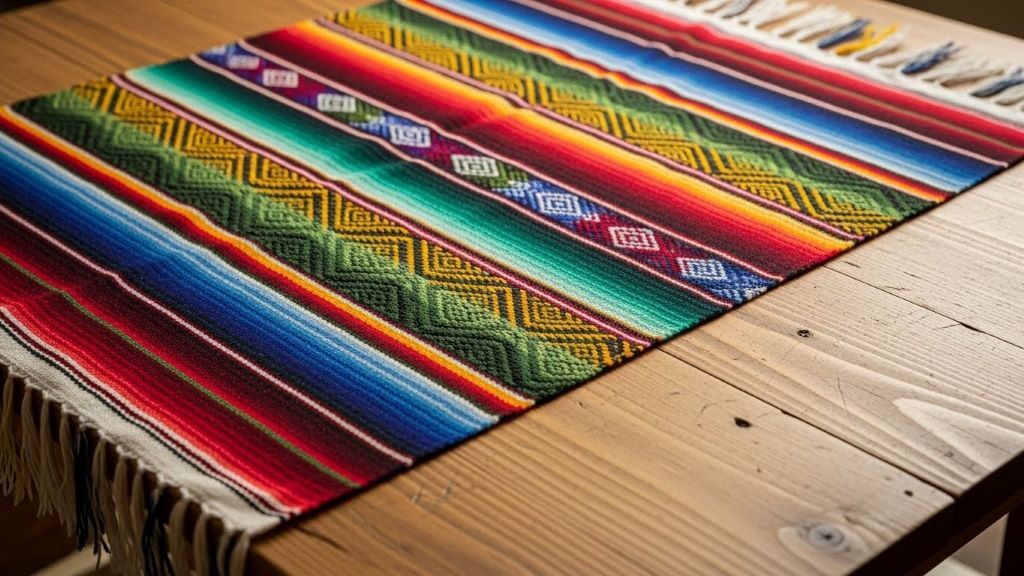
Mexican textiles tell stories that span centuries. These fabrics carry the heritage of indigenous communities while finding fresh expression in modern design. Today, contemporary fashion and interior designers worldwide are rediscovering the beauty of handwoven Mexican textiles.
The Rich Heritage of Mexican Textile Traditions
Mexico’s textile history dates back thousands of years. Indigenous communities developed unique weaving techniques passed down through generations. Each region created distinct patterns and color combinations that reflected local culture and natural surroundings.
Traditional Mexican fabrics feature intricate designs created on backstrap looms. Artisans spend weeks or even months completing a single piece. The process requires skill, patience, and deep knowledge of ancestral techniques. Moreover, natural dyes derived from plants, insects, and minerals give these textiles their vibrant hues.
Communities like the Zapotec in Oaxaca and the Maya in Chiapas maintain these traditions today. They continue to produce textiles using methods unchanged for centuries. Their work preserves cultural identity while providing sustainable livelihoods.
Why Contemporary Designers Choose Handcrafted Mexican Fabrics
Modern designers value authenticity in an age of mass production. Handcrafted Mexican textiles offer something machine-made fabrics cannot replicate. Each piece carries the maker’s individual touch and cultural significance.
These fabrics bring depth to contemporary collections. They add texture, color, and narrative that resonates with conscious consumers. Additionally, the imperfections inherent in handmade textiles create visual interest that perfectly manufactured items lack.
Sustainability drives many designers toward traditional Mexican fabrics. The production methods use minimal resources and create negligible waste. Natural dyes and organic fibers reduce environmental impact. Therefore, brands seeking eco-friendly materials find Mexican textiles ideal for their values.
Traditional Techniques Meeting Modern Aesthetics
Contemporary designers incorporate Mexican textiles in innovative ways. They blend traditional patterns with minimalist silhouettes. Classic weaving techniques appear in unexpected contexts, from high fashion to urban interiors.
Some designers use Mexican fabrics as statement pieces. A handwoven Oaxacan textile becomes a jacket’s focal point. Others integrate small fabric details into otherwise modern designs. This approach honors tradition while maintaining contemporary appeal.
The color palettes of Mexican textiles inspire modern collections. Deep indigos, cochineal reds, and earthy browns provide rich foundations. Designers extract these hues for entire seasonal collections. Furthermore, the geometric patterns translate beautifully into contemporary graphic design.
Fashion Collections Featuring Mexican Handwoven Textiles
Leading fashion houses now showcase Mexican artisan textiles. International runways feature garments incorporating traditional Mexican weaving. This exposure brings recognition to indigenous artisans and their crafts.
Emerging designers build entire brands around Mexican textile collaborations. They partner directly with weaving cooperatives in Oaxaca, Chiapas, and other regions. These partnerships ensure fair compensation and cultural respect. Consequently, consumers can trace their garments back to specific artisan communities.
Ready-to-wear collections increasingly feature Mexican textile accents. Handwoven belts, bag panels, and jacket trim add authenticity to modern pieces. Even luxury brands incorporate these elements to differentiate their offerings. The result is fashion that feels both current and timeless.
Interior Design Applications for Mexican Textiles
Home decor embraces handcrafted Mexican fabrics with enthusiasm. Interior designers specify these textiles for clients seeking unique, meaningful spaces. The fabrics work in various settings, from bohemian to contemporary minimalist.
Handwoven Mexican textiles make stunning wall hangings. They add color and texture while serving as conversation pieces. Designers also use them for throw pillows, table runners, and upholstery accents. These applications bring warmth to modern interiors without overwhelming the space.
Larger installations feature Mexican textiles as room dividers or window treatments. The natural fibers filter light beautifully while maintaining privacy. Additionally, the textiles improve acoustics in open-plan spaces. Their versatility makes them valuable tools for contemporary interior design.

Supporting Artisan Communities Through Ethical Sourcing
Purchasing handcrafted Mexican textiles supports indigenous communities economically. Fair trade practices ensure artisans receive appropriate compensation. This income helps preserve traditional knowledge by making textile work financially viable.
Many organizations facilitate ethical connections between artisans and designers. They provide transparency about production methods and payment structures. These intermediaries help maintain cultural integrity while expanding market access. However, direct relationships between designers and cooperatives often yield the best results.
Cultural appropriation remains a concern in this industry. Responsible designers acknowledge the cultural origins of patterns and techniques. They credit specific communities and compensate them fairly. This approach honors the heritage embedded in each textile while allowing contemporary interpretation.
According to The New York Times, there is growing consumer interest in products with authentic cultural stories and sustainable production methods. This trend benefits Mexican textile artisans significantly.
Care and Maintenance of Handcrafted Mexican Fabrics
Handwoven textiles require special care to maintain their beauty. Natural fibers and dyes need gentle handling. Understanding proper maintenance helps these pieces last generations.
Hand washing works best for most Mexican textiles. Use cool water and mild soap without harsh chemicals. Avoid wringing or twisting the fabric, which can distort the weave. Instead, gently press out excess water and lay flat to dry.
Direct sunlight fades natural dyes over time. Display textiles away from windows or use UV-protective glass. Rotate pieces periodically to ensure even aging. Furthermore, store folded textiles in breathable fabric bags rather than plastic containers.
Professional cleaning may be necessary for delicate or antique pieces. Seek conservators experienced with traditional textiles. They understand the specific needs of naturally dyed handwoven fabrics.
The Future of Mexican Textiles in Design
The global design community’s interest in Mexican textiles continues growing. Younger generations of artisans are innovating while respecting tradition. They experiment with new color combinations and adapt patterns for contemporary tastes.
Technology helps connect artisans with international markets. Social media allows direct relationships between makers and buyers. Online platforms showcase individual artisans and their unique styles. Therefore, consumers can make informed, meaningful purchases.
Educational initiatives teach traditional weaving to new generations. Schools in textile-producing regions offer programs combining ancestral techniques with business skills. This approach ensures cultural continuity while addressing modern economic realities.
Collaborations between artisans and designers will likely expand. As reported by Vogue, fashion brands increasingly value authentic partnerships with traditional craftspeople. These relationships benefit both parties while preserving invaluable cultural heritage.
Conclusion
Handcrafted Mexican fabrics bring irreplaceable value to contemporary collections. They connect modern design with centuries of cultural tradition. These textiles offer beauty, authenticity, and sustainability that mass-produced alternatives cannot match.
Supporting Mexican textile artisans preserves vital cultural knowledge. It provides economic opportunity to indigenous communities. Moreover, it enriches contemporary design with meaningful, story-filled materials.
The integration of traditional Mexican textiles into modern collections represents more than a trend. It signals a shift toward valuing craftsmanship, cultural heritage, and sustainable practices. As designers and consumers continue embracing these fabrics, they ensure that ancient weaving traditions thrive in the contemporary world.
Frequently Asked Questions
What makes Mexican handwoven textiles different from other fabrics?
Mexican textiles use traditional techniques passed down through generations. Artisans create each piece using backstrap looms and natural dyes. The designs reflect specific regional and cultural traditions. Additionally, every textile is unique due to the handmade process.
How can I verify that Mexican textiles are authentically handcrafted?
Look for slight irregularities that indicate hand weaving. Ask sellers about the textile’s origin and the artisans who created it. Fair trade certifications and direct cooperative relationships provide authenticity assurance. Reputable sellers offer detailed provenance information.
Are handcrafted Mexican fabrics durable enough for everyday use?
Yes, when properly cared for, these textiles are extremely durable. Traditional weaving techniques create strong, long-lasting fabrics. Many families pass down Mexican textiles through generations. However, they require gentler care than synthetic fabrics.
What is the typical price range for authentic handwoven Mexican textiles?
Prices vary based on size, complexity, and materials. Small pieces may start around fifty dollars. Larger, intricately designed textiles can cost several hundred dollars. The price reflects the time, skill, and cultural knowledge invested in each piece.
How do I incorporate Mexican textiles into modern interior design?
Start with accent pieces like throw pillows or table runners. Use larger textiles as wall art to create focal points. Mix Mexican fabrics with contemporary furniture for eclectic style. Keep the overall palette balanced to let the textiles shine without overwhelming the space.
Related Tpics:
Men’s Style Guide: Elevate Your Everyday Look
Dressing the Kuro Montsuki: A Guide to Traditional Japanese Formalwear
