

Ultimate Paris Fashion Week Spring/Summer 2027 Guide: Dates, Venues and Insider Tips
May 20, 2026
Why Wedding Stylists in New York, NY Recommend Instant Volume Hair Accessories
May 28, 2026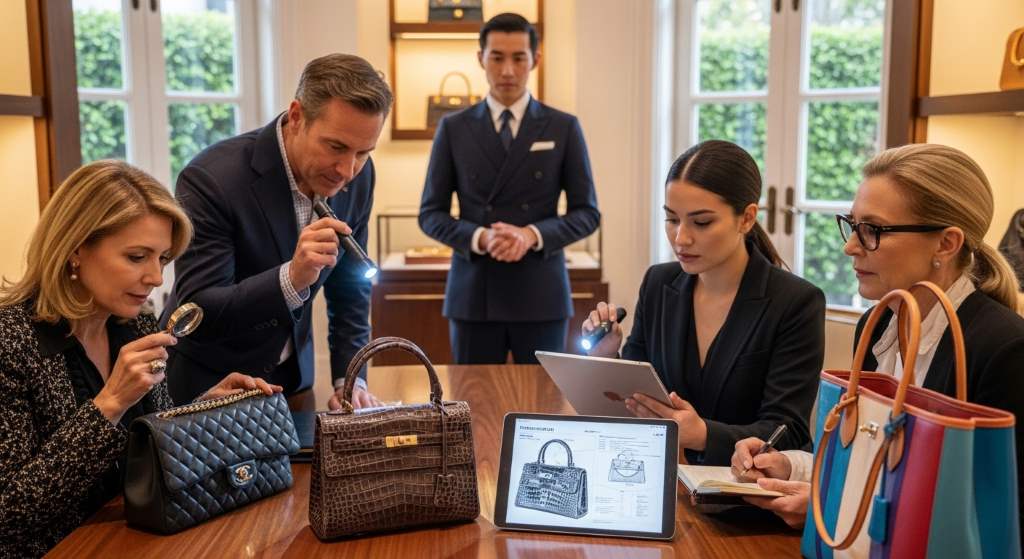
Luxury handbag collecting has grown rapidly in Los Angeles, CA, where fashion enthusiasts often treat designer bags as both status pieces and investment assets. Recent resale reports show that rare luxury handbags can retain up to 80% of their original value when buyers verify authenticity correctly. Because of this trend, collectors now spend more time researching production details before making a purchase. Many buyers also rely on a trusted louis vuitton serial number check process to confirm manufacturing details. As counterfeit products become more advanced, experienced collectors in Los Angeles use deeper verification methods that go beyond simple logo inspection.
Why Production Details Matter to Luxury Collectors
Luxury collectors in Los Angeles focus heavily on production details because small factory differences can affect resale value significantly. A bag made in a limited production year often becomes more valuable over time. Collectors also understand that stitching style, date codes, and hardware finishes reveal important information about authenticity. Therefore, buyers rarely trust a seller without documented proof of manufacturing details.
Many collectors also compare serial numbers across multiple models before finalizing a purchase decision. Some buyers use guides such as easy steps for michael kors bag serial number check to understand how luxury brands structure production identifiers. This process helps them identify unusual formatting or inconsistent production dates. As a result, they reduce the risk of buying altered or counterfeit items.
Los Angeles collectors also consider local market demand when checking production details. Certain seasonal collections perform better in California because of celebrity influence and fashion trends. Consequently, buyers often search for bags tied to runway releases or limited boutique editions. This level of research helps them make smarter long term investments.
How Collectors Examine Serial Numbers and Date Codes
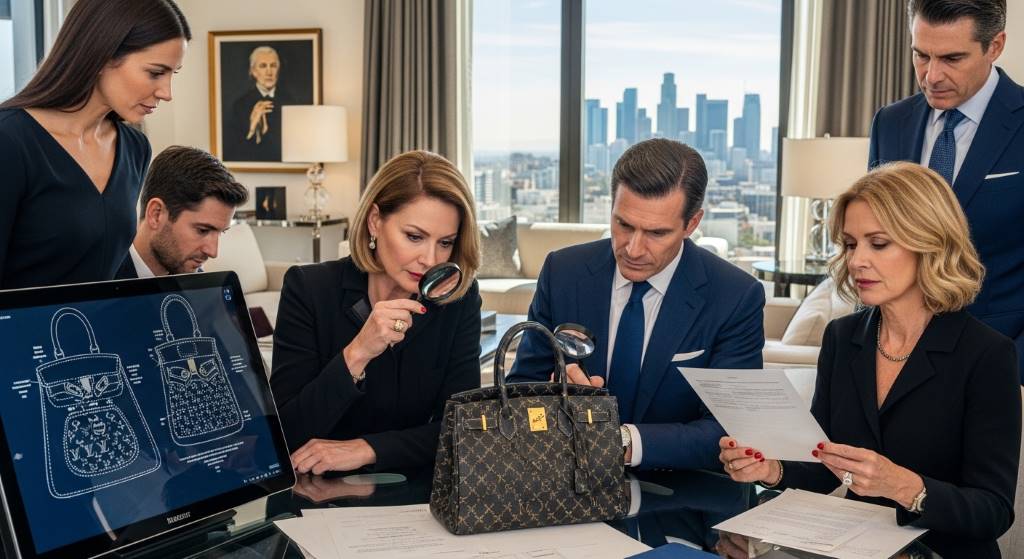
Serial numbers and date codes remain one of the first checkpoints for luxury handbag authentication. Experienced collectors know that authentic luxury brands follow specific formatting rules that change over time. Therefore, they compare the bag’s code with official production charts and historical manufacturing records. This method helps identify mismatched dates or suspicious factory locations.
Collectors also inspect font spacing, code placement, and engraving depth carefully. Counterfeit bags often use inaccurate fonts or poorly aligned code stamps. In contrast, authentic luxury bags usually display precise embossing with consistent spacing. Buyers in Los Angeles often use magnification tools during in person inspections to identify these subtle differences.
Some collectors even maintain private spreadsheets documenting production code patterns from previous purchases. This uncommon but practical strategy allows them to compare production trends across multiple brands quickly. Furthermore, these records help identify counterfeit batches circulating through local resale groups. Advanced collectors consider this personal database an important protection tool.
Inspecting Stitching Quality and Leather Craftsmanship
Luxury handbag collectors pay close attention to stitching because authentic brands maintain extremely high production standards. Even spacing, straight lines, and strong thread tension often indicate genuine craftsmanship. Meanwhile, uneven stitching usually raises immediate concerns among experienced buyers. For this reason, collectors inspect every edge and corner before purchasing.
Leather quality also plays a major role in production verification. Los Angeles buyers often test texture, scent, and flexibility while examining designer bags. Genuine luxury leather usually develops a rich patina over time instead of peeling or cracking. Therefore, collectors avoid bags with artificial shine or chemical odors.
The warm and dry climate in Los Angeles creates another factor collectors must consider carefully. Excessive sunlight exposure can fade leather colors or dry out delicate finishes. Because of this, buyers ask sellers about storage conditions before completing a transaction. Proper climate controlled storage often increases the long term value of luxury bags significantly.
Common Signs Collectors Watch For
- Perfectly aligned stitching around handles and corners
- Smooth zipper movement without resistance
- Consistent leather grain across all panels
- Hardware weight that feels substantial and balanced
- Clean interior lining without loose threads
Why Hardware Verification Is Essential
Luxury collectors in Los Angeles often say hardware reveals more than logos ever can. Authentic designer brands use premium metals with consistent engraving quality and weight distribution. Therefore, collectors examine clasps, zippers, chains, and studs under direct lighting. Even small differences in color tone can expose counterfeit products.
Some buyers compare hardware designs with reference photos from official brand archives. Others study articles discussing evolving handbag styles, including guides like what is a bucket bag, to understand how design structures changed over the years. This knowledge helps collectors spot incorrect hardware combinations linked to fake production runs. Consequently, they make more confident purchasing decisions.
Collectors also inspect screw types and metal engraving consistency closely. Authentic luxury brands usually maintain identical screw placements across the same model line. In contrast, counterfeit manufacturers often overlook these technical details. This careful inspection process gives experienced buyers an advantage in the competitive Los Angeles luxury market.
The Role of Provenance and Original Documentation
Provenance refers to the ownership history and supporting documentation connected to a designer bag. Serious collectors in Los Angeles strongly prefer bags with receipts, authenticity cards, and original packaging. These documents create a clearer ownership timeline and increase resale credibility. Therefore, provenance often affects final market value significantly.
Collectors also verify store locations listed on original receipts. Some counterfeit sellers create fake invoices using incorrect boutique addresses or outdated store branding. Because of this, buyers compare receipts with historical brand information before trusting the paperwork. This extra step helps reduce fraud risks during high value transactions.
An uncommon but growing practice among luxury collectors involves contacting former boutique employees for production insights. These insiders sometimes recognize discontinued hardware variations or limited release packaging styles. Consequently, collectors gain additional confidence before investing thousands of dollars into rare handbags. This strategy remains especially popular among elite collectors in Los Angeles.
How Resale Platforms Influence Verification Methods
The growth of online resale platforms has changed how collectors verify designer bags before buying. Many Los Angeles buyers now request high resolution videos instead of relying only on photos. Video inspections reveal zipper movement, leather flexibility, and reflective hardware details more clearly. Therefore, collectors can detect inconsistencies that static images may hide.
Collectors also review seller history and customer feedback carefully before making online purchases. Trusted sellers often provide detailed production records and close up authentication photos proactively. In contrast, vague listings with limited information usually create suspicion immediately. Buyers understand that transparency often reflects legitimacy.
Some Los Angeles collectors even schedule live video calls with sellers before completing expensive transactions. During these sessions, buyers direct the camera toward serial numbers, stitching lines, and interior labels in real time. This uncommon practice helps reduce photo manipulation risks. As a result, collectors feel more secure when purchasing remotely.
Climate Specific Storage Checks in Los Angeles
Los Angeles weather creates unique preservation challenges for luxury handbag collectors. Dry heat can damage untreated leather and weaken adhesive materials over time. Therefore, buyers ask sellers detailed questions about storage environments before purchasing vintage bags. Climate awareness has become a critical part of production verification in California.
Collectors also inspect interior linings for signs of heat exposure or moisture damage. Leather exposed to excessive sunlight may show discoloration around folds and corners. Consequently, experienced buyers avoid bags stored near windows or inside overheated vehicles. Proper maintenance often indicates a responsible previous owner.
Some high end collectors use portable humidity meters during private inspections. This unusual but effective method helps identify bags stored in unstable environmental conditions. Furthermore, it reveals hidden moisture risks that could damage stitching or interior materials later. Buyers who invest heavily in rare handbags often consider this extra step worthwhile.
Using Professional Authentication Services
Professional authentication services have become increasingly popular among luxury collectors in Los Angeles. These experts analyze production details using specialized databases and manufacturing knowledge. Therefore, buyers often seek professional opinions before purchasing rare or expensive pieces. Authentication reports also improve resale confidence later.
Collectors typically choose services that specialize in specific luxury brands rather than general fashion authentication. Brand focused experts understand subtle production shifts that casual buyers might overlook. Consequently, they can identify counterfeit items with greater accuracy. This specialized expertise helps collectors avoid costly mistakes.
Some authentication companies now use artificial intelligence tools to compare stitching patterns and logo alignment. However, experienced collectors still value human expertise alongside technology. Many believe trained authenticators notice production irregularities that automated systems may miss. Therefore, most serious buyers combine digital tools with professional inspections.
Investment Mindset Behind Production Verification
Luxury collectors in Los Angeles increasingly view designer bags as alternative investment assets. Rare production runs and discontinued designs often appreciate in value over time. Because of this, buyers treat production verification as financial protection rather than simple authentication. Careful research helps preserve future resale potential.
Collectors also track celebrity influence on certain handbag models within the Los Angeles market. A bag carried by a major celebrity can experience sudden demand growth after public appearances. Therefore, buyers often research production years linked to famous collections or collaborations. This strategy allows collectors to anticipate market trends early.
Some advanced collectors diversify their handbag collections similarly to investment portfolios. They purchase bags from different luxury brands, production periods, and material categories. Consequently, they reduce risk while increasing long term appreciation opportunities. Production verification remains central to this investment approach.
Conclusion
Luxury collectors in Los Angeles, CA verify designer bag production details carefully because authentication directly impacts investment value and long term satisfaction. They inspect serial numbers, stitching, hardware, leather quality, and ownership history before committing to a purchase. Many collectors also explore fashion resources such as handbag essentials wedding guests to stay informed about evolving luxury trends and styling expectations. By combining professional authentication methods with personal research, buyers protect themselves from counterfeit risks effectively. If you plan to invest in luxury handbags, start building a detailed verification process today to make smarter and safer buying decisions.
FAQs
Why do Los Angeles collectors focus heavily on production details?
Collectors focus on production details because authenticity directly affects resale value and investment potential.
What is the most important authentication feature in designer bags?
Serial numbers and production codes remain one of the most important authentication checkpoints.
Does Los Angeles weather affect luxury handbags?
Yes, dry heat and sunlight exposure can damage leather and fade bag materials over time.
Are professional authentication services worth using?
Yes, professional authenticators provide expert analysis that helps buyers avoid counterfeit products.
Can luxury handbags increase in value?
Yes, limited edition and rare production bags often appreciate significantly in the resale market.
