

Why Luxury Bag Buyers in Los Angeles, CA Check Interior Tags Before Purchasing Pre-Owned Accessories
May 20, 2026
How Luxury Collectors in Los Angeles, CA Verify Designer Bag Production Details Before Buying
May 24, 2026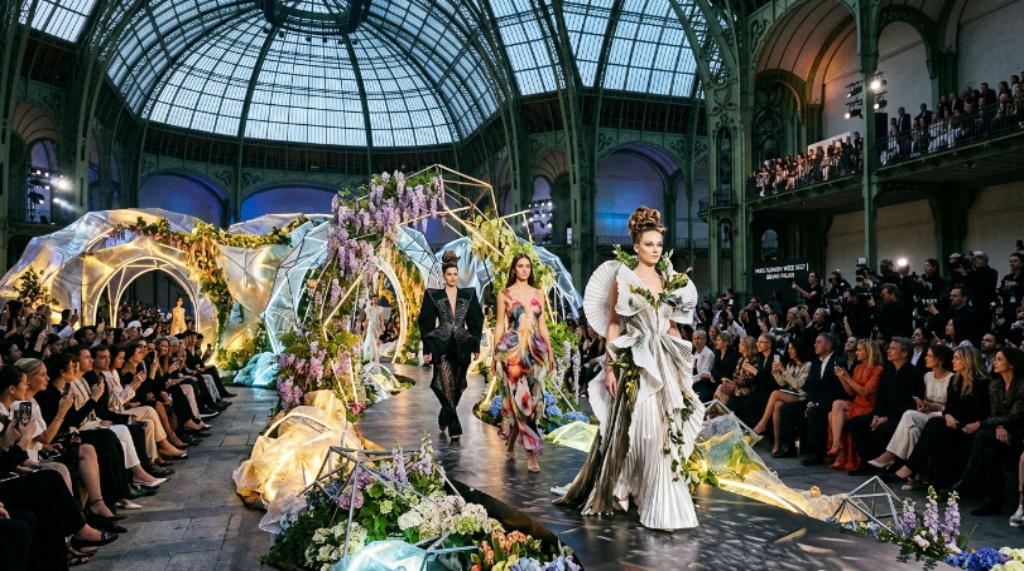
Every year, the world holds its breath for one city. Paris. In late September 2026, the French capital will once again open its doors to the most anticipated fashion event on the global calendar. The Spring/Summer 2027 womenswear shows will run from September 28 to October 6, 2026, wrapping up an action-packed fashion month that begins in New York and passes through London and Milan first. Whether you are a seasoned industry professional or a first-time visitor hoping to soak up the atmosphere, preparation is everything. This guide covers the key dates, the most iconic venues, the biggest names to watch, and the insider tips that will help you make the most of every single day.
Official Dates: When Does It All Happen?
The Spring/Summer 2027 season in Paris is actually spread across two separate events in 2026. The menswear shows come first. Paris Fashion Week Menswear Spring/Summer 2027 runs from June 23 to June 28, 2026. These six days set the tone for the masculine wardrobe of the coming year. The atmosphere tends to be more experimental, with designers taking risks that the larger commercial windows sometimes do not allow. Then, after a summer break, attention shifts to womenswear. The women’s shows for Spring/Summer 2027 kick off on September 28, 2026, and run through October 6, 2026. Nine days in total. This stretch is the longest and most commercially significant window on the entire fashion calendar. It draws the largest global audience — buyers from major department stores, editors from every market, celebrities, and style enthusiasts from around the world. Additionally, Haute Couture Week for Autumn/Winter 2026-2027 takes place from July 6 to July 9, 2026, adding a fourth key moment of fashion to Paris’s already busy year. Therefore, if you are planning to attend any part of the Paris fashion circuit, booking your travel early is not optional. It is essential. Hotels fill up months in advance, and flights during both June and late September carry a significant premium.
The Fashion Month Context: Why Paris Closes the Circuit
Paris does not just participate in fashion month — it concludes it. The sequence runs New York, then London, then Milan, and finally Paris. This order is significant. Each city builds on the energy of the last, and by the time the industry arrives in Paris, expectations are at their highest. However, Paris does not simply follow trends set elsewhere. It resets them. The city carries centuries of couture tradition. It is home to some of the most powerful fashion houses in the world. When Chanel, Dior, Louis Vuitton, Saint Laurent, and Valentino present their collections here, the conversations they start ripple outward across the entire industry for the next six months. Furthermore, the event operates as the closing argument of the creative season. Designers know that what they show in Paris will be discussed, dissected, and photographed more than anywhere else on the circuit. That pressure tends to produce the most ambitious and theatrical work of the year.
Key Venues: Where the Shows Take Place
One of the most exciting aspects of attending the Paris shows is the variety of spaces used. Unlike a single-venue event, the shows are spread across the entire city. Knowing your venues in advance saves time and reduces stress considerably.
The Grand Palais
Few spaces carry the same weight in fashion history. The Grand Palais, located at 9 Avenue du Général Eisenhower in the 8th arrondissement, has long served as Chanel’s signature home. The soaring glass nave of this Beaux-Arts landmark has been transformed season after season into elaborate environments — from indoor forests to glaciers to supermarkets. The experience of attending a show here is less like watching fashion and more like walking into a living installation.
The Musée Rodin and the Tuileries Gardens
Dior has made the Musée Rodin’s sculpture gardens one of the most recognizable runway locations in the world. The open-air setting, surrounded by classical stone statues, adds a powerful sense of history and femininity to each collection. Similarly, the Tuileries Gardens near the Palais Royal regularly serve as a backdrop for major shows, with the gravel paths and classical architecture creating ideal conditions for street style photography.
Palais de Tokyo and Palais Royal
For a more contemporary aesthetic, the Palais de Tokyo in the 16th arrondissement offers vast, raw industrial spaces that suit avant-garde presentations perfectly. Palais Royal, with its elegant colonnade and central garden, is another beloved setting for both shows and the informal gatherings that happen between them. The surrounding streets buzz with editors, photographers, and guests all week long.
The Marais and Emerging Spaces
Beyond the established landmarks, the Marais district in the 3rd and 4th arrondissements hosts a growing number of presentations by younger designers. Private hôtels particuliers — historic private mansions — are often transformed into intimate show spaces. The Carreau du Temple, a covered market hall in the 3rd arrondissement, provides a cinematic setting that has become increasingly popular in recent seasons.
The Big Names to Watch
Chanel and the Question of Change
Chanel’s shows are always the most discussed of any season. With Matthieu Blazy now at the creative helm, each collection carries the weight of both innovation and heritage. The house’s relationship with the Grand Palais is one of fashion’s great ongoing stories, and every new set design generates its own conversation well before the first model steps out.
Dior: Art, Craft, and Ambition
Jonathan Anderson’s tenure at Dior has made it one of the most intellectually ambitious houses on the calendar. His collections consistently blend art history with contemporary femininity. The garden setting of the Musée Rodin adds a dimension that no studio show could replicate. Expect each look to carry layers of reference that reward careful attention.
Louis Vuitton: Spectacle and Scale
Under Pharrell Williams, Louis Vuitton has leaned into spectacle. The shows are large-scale cultural events as much as fashion presentations, drawing some of the highest-profile front rows of any week. Gender-fluid collections and collaborations with major artists have made this house one of the most watched on the entire circuit.
Emerging Designers Through the Sphere Programme
For those interested in the next generation of talent, the FHCM’s Sphere programme spotlights young designers who are just beginning to make their mark. These shows are often held in more intimate venues and offer a very different experience from the major house productions. However, they are frequently where the most genuinely surprising work of the week can be found. 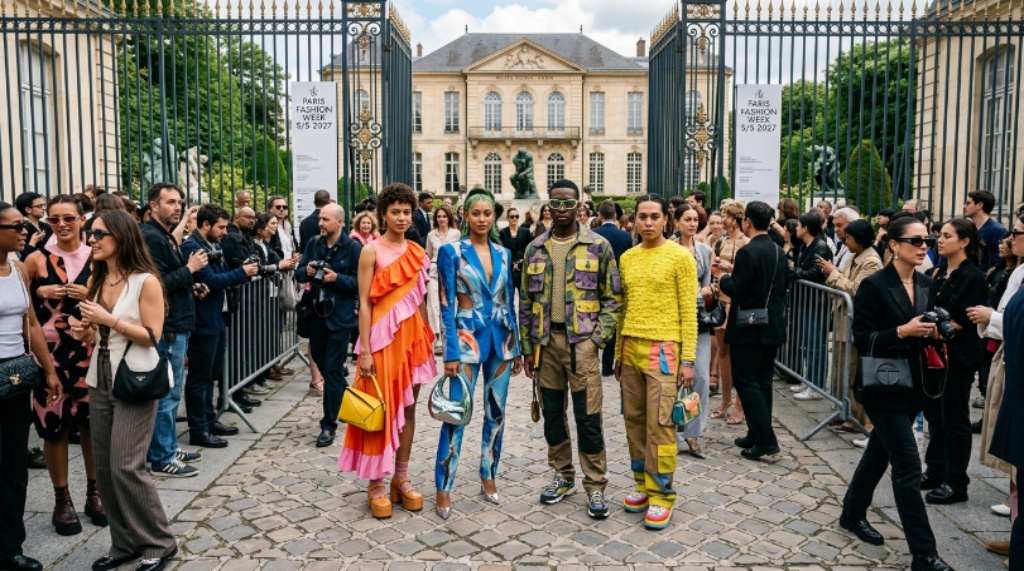
Insider Tips for Attending
Getting Accreditation and Invitations
The official shows are invitation-only for the major houses. Press accreditation is managed through the Fédération de la Haute Couture et de la Mode and typically needs to be applied for four to six weeks before the season opens. Established publications with strong readership credentials have the best chances, though newer voices are increasingly welcome through digital channels. For buyers, access runs through a separate appointments system. This requires proof of retail credentials and, in most cases, a prior relationship with the brand’s commercial team. Therefore, if you are attending for the first time in a buyer capacity, reaching out to brand contacts well in advance is strongly recommended. Additionally, some smaller designers and showrooms accept appointment requests through their websites or social media. A polite and professional message explaining your interest and background can go a long way, especially for emerging labels eager to build press and buyer relationships.
Transport: Plan Every Journey
Transport is where first-time attendees most often lose time. The show geography of Paris is wider than that of Milan or London. Going from the Grand Palais in the 8th arrondissement to a Marais presentation in the 3rd can take longer than the show itself if traffic is bad. Experienced editors consistently recommend hiring a driver for the week, as the flexibility this offers is worth the cost when your schedule is packed. However, if you are attending fewer shows, Paris’s public transport is efficient and well-connected. The RER A line connects central Paris to the western venues quickly, and the metro covers the Marais well. Allow extra time during peak show hours — typically from 10 AM to 2 PM and again from 6 PM to 8 PM — when congestion around the major venues peaks.
What Happens Outside the Shows
Some of the most valuable experiences during fashion week happen away from the official runway. Brand dinners, private presentations, showroom appointments, and industry events run parallel to the schedule throughout the entire week. These gatherings are where partnerships form, where editorial ideas take shape, and where the real conversations of the season happen. Public events, exhibitions, and open installations also offer access for those without show invitations. The Palais Galliera, the official fashion museum of Paris, frequently stages exhibitions timed to the week. The Centre Pompidou and Musée des Arts Décoratifs often have fashion-related programming as well. These are free or low-cost ways to engage with the creative energy of the week without needing an invitation.
Where to Eat and Be Seen
Fashion week transforms Paris’s restaurant landscape. The city’s best dining rooms become informal offices for the industry. Le Voltaire on the Left Bank has long been a post-show destination for designers and editors. Hotel Costes remains one of the most enduring social hubs of the week, though getting a table requires either a reservation made well in advance or a very good contact. The Grand Palais itself, following its renovation, now houses Le Grand Café — a terrace restaurant that has quickly become one of the most sought-after spots of the week. Expect to see creative directors, VIPs, and influencers there throughout the shows. For something more relaxed, the Marais offers dozens of excellent cafés and bistros where the industry crowds pass between presentations.
Street Style: The Free Show
You do not need an invitation to experience the week. Standing outside major venues like the Grand Palais, Musée Rodin, and Palais Royal before and after shows gives you a front-row seat to some of the most dramatic personal style on display anywhere in the world. The area around the Tuileries, along Rue de Rivoli, becomes especially lively during peak show hours. Bring a camera, arrive thirty minutes before a show is scheduled to begin, and simply watch. Additionally, Avenue Montaigne is worth a visit regardless of whether you have any shows scheduled. Lined with Dior, Chanel, Valentino, and Louis Vuitton boutiques, it offers a taste of the full luxury ecosystem that gives fashion week in Paris its unique atmosphere.
Digital Access: Following the Week from Anywhere
For those unable to attend in person, digital access has expanded significantly in recent seasons. Houses including Dior, Saint Laurent, and Valentino stream their shows in real time through their own platforms and via the official Fashion Week channels. The FHCM website also provides ongoing coverage throughout the week. Social media remains essential for real-time updates. Following the hashtags #PFW and #ParisFashionWeek on Instagram and X gives an immediate visual feed of everything happening across the city. Many brands also post behind-the-scenes content, fitting previews, and post-show interviews that add depth to the runway experience.
Conclusion
Paris Fashion Week Spring/Summer 2027 promises to be one of the most exciting editions in recent memory. The menswear shows run from June 23 to June 28, 2026, while the womenswear presentations take place from September 28 to October 6, 2026. Key venues include the Grand Palais, the Musée Rodin, Palais de Tokyo, Palais Royal, and a growing number of intimate spaces across the Marais. The biggest names to watch include Chanel under Matthieu Blazy, Dior under Jonathan Anderson, and Louis Vuitton under Pharrell Williams, alongside the emerging talent spotlighted through the Sphere programme. Whether you attend in person or follow digitally, preparation is the key to getting the most out of the week. Book travel early, plan your venue logistics carefully, and do not overlook the events that happen outside the official runway schedule. Paris, as always, rewards those who come prepared.
Frequently Asked Questions
When exactly is Paris Fashion Week Spring/Summer 2027?
The womenswear Spring/Summer 2027 shows take place from September 28 to October 6, 2026. The menswear Spring/Summer 2027 shows run earlier in the year, from June 23 to June 28, 2026.
Can members of the public attend the shows?
The major house runway shows are invitation-only and not open to the general public. However, some smaller designers and showrooms accept appointment requests from buyers, press, and students. Public presentations, exhibitions, and street style areas around key venues are accessible to everyone.
What are the most important venues to know?
The Grand Palais, Musée Rodin gardens, Palais de Tokyo, Palais Royal, and Carreau du Temple are among the most frequently used venues. Show locations can change each season, so checking the official FHCM calendar at fhcm.paris closer to the dates is always advisable.
How do I apply for press accreditation?
Press accreditation is managed through the Fédération de la Haute Couture et de la Mode. Applications are typically accepted four to six weeks before the season begins. You will need to demonstrate a legitimate media affiliation and provide publication details including readership figures.
What should I do in Paris during fashion week if I do not have invitations?
There is still a great deal to experience. Street style watching outside major venues, visiting fashion exhibitions at the Palais Galliera and Centre Pompidou, exploring designer boutiques on Avenue Montaigne, and following livestreams from the major houses are all excellent ways to engage with the week without needing an invitation.
Find Location On Google Maps:
