

Makeup Essentials for On-the-Go: Your Ultimate Guide to a Quick and Flawless Routine
July 6, 2025
Sustainable Luxury: The Case for Vintage and Antique Jewelry
July 9, 2025
Picture this: You’re rushing to an important meeting, but your shirt is already wrinkled, your pants feel uncomfortable, and you’re worried about how your outfit will hold up throughout the day. The fabric choice you made months ago at the store is now determining your confidence level. This scenario plays out for millions of men daily, yet most don’t realize that understanding fabric fundamentals can transform their wardrobe experience entirely.
The right fabric doesn’t just affect how you look—it influences how you feel, how long your clothes last, and even your overall comfort throughout the day. Whether you’re building a professional wardrobe, updating your casual wear, or investing in formal attire, understanding men’s clothing fabrics is essential for making informed decisions that serve you well for years to come.
Understanding Fabric Fundamentals: Natural vs. Synthetic Materials
The foundation of any great wardrobe starts with understanding the basic categories of clothing materials. Natural fibers, derived from plants and animals, offer breathability and comfort that synthetic alternatives often struggle to match. Cotton, linen, wool, and silk represent the cornerstone of natural fabric options, each bringing unique properties to your clothing.
Synthetic fabrics, engineered in laboratories, provide advantages like moisture-wicking capabilities, wrinkle resistance, and enhanced durability. Polyester, nylon, and spandex have revolutionized modern menswear by addressing specific performance needs that natural fibers couldn’t meet alone.
The most innovative approach combines both worlds through fabric blends. These hybrid materials capture the best characteristics of natural comfort with synthetic performance, creating textiles that excel in multiple areas simultaneously.
Cotton: The Versatile Foundation of Men’s Wardrobes
Cotton stands as the most popular choice for men’s clothing, and for good reason. This natural fiber offers exceptional breathability, making it perfect for everything from casual t-shirts to dress shirts. The fabric’s absorbent nature helps manage moisture, while its soft texture feels comfortable against skin throughout extended wear.
Different cotton varieties serve different purposes in menswear. Pima cotton, with its longer fibers, creates smoother, more durable garments that resist pilling and maintain their shape. Egyptian cotton, renowned for its luxury feel, provides superior comfort for dress shirts and high-end casual wear. Organic cotton appeals to environmentally conscious consumers while offering the same comfort benefits.
Cotton’s versatility extends to seasonal wear. Lightweight cotton works excellently for summer clothing, while heavier cotton weaves provide warmth for cooler weather. The fabric takes dyes well, ensuring vibrant colors that last through multiple washes.
However, cotton does have limitations. Pure cotton tends to wrinkle easily and may shrink if not properly cared for. It also lacks the moisture-wicking properties that active men might need for workout clothing or humid climates.
Wool: Premium Comfort for Every Season
Wool fabric represents one of nature’s most sophisticated textile solutions. This natural fiber offers exceptional temperature regulation, keeping you warm in winter and cool in summer through its unique structure. Wool’s natural elasticity helps garments maintain their shape, while its resistance to odors means less frequent washing.
Merino wool stands out as the premium choice for men’s clothing. Unlike traditional wool, merino feels soft against skin and doesn’t cause itching. This makes it ideal for base layers, dress shirts, and sweaters. The fabric’s natural antibacterial properties make it perfect for travel clothing and active wear.
Wool suits remain the gold standard for professional and formal wear. The fabric’s drape and structure create clean lines that look polished throughout the day. Wool’s durability means quality suits can last decades with proper care, making them excellent long-term investments.
Different wool weights serve various purposes. Tropical wool works well for summer suits, while heavier wool provides warmth for winter clothing. Worsted wool offers a smooth finish perfect for dress pants and blazers.
Linen: Breathable Elegance for Warm Weather
Linen fabric excels in hot weather conditions, offering unmatched breathability and moisture absorption. This natural fiber, derived from flax plants, creates clothing that feels cool and comfortable even in sweltering temperatures. Linen’s loose weave allows air to circulate freely, making it the preferred choice for summer shirts, pants, and blazers.
The fabric’s casual elegance makes it perfect for resort wear, weekend outfits, and warm-weather business casual attire. Linen’s natural texture adds visual interest to simple garments, creating effortless style that appears both relaxed and sophisticated.
Quality linen improves with age, becoming softer and more comfortable through repeated washing. However, the fabric’s tendency to wrinkle easily requires acceptance of its relaxed, lived-in appearance or commitment to regular pressing.
Synthetic Fabrics: Performance and Practicality
Modern synthetic fabrics have revolutionized men’s clothing by addressing specific performance needs. Polyester offers excellent wrinkle resistance and durability, making it ideal for travel clothing and easy-care garments. The fabric retains its shape well and resists shrinking, ensuring consistent fit over time.
Nylon provides exceptional strength and abrasion resistance, making it perfect for outerwear and activewear. The fabric’s lightweight nature doesn’t compromise durability, creating garments that can withstand demanding conditions.
Spandex, even in small percentages, transforms fabric performance by adding stretch and recovery. This synthetic fiber enables comfortable movement while maintaining garment shape, making it valuable in everything from jeans to dress shirts.
Moisture-wicking synthetic fabrics excel in athletic and active wear. These engineered textiles pull sweat away from skin and promote quick drying, keeping you comfortable during physical activity.
The Power of Fabric Blends
Fabric blends represent the evolution of textile technology, combining natural comfort with synthetic performance. Cotton-polyester blends offer the breathability of cotton with improved wrinkle resistance and durability. These blends work excellently for dress shirts, casual wear, and work clothing.
Wool-synthetic blends maintain wool’s temperature regulation while adding stretch and easier care. These fabrics work well for suits, pants, and knitwear that need to perform in various conditions.
Linen blends reduce pure linen’s wrinkle tendency while maintaining its cooling properties. These combinations create more practical warm-weather clothing that looks polished longer.
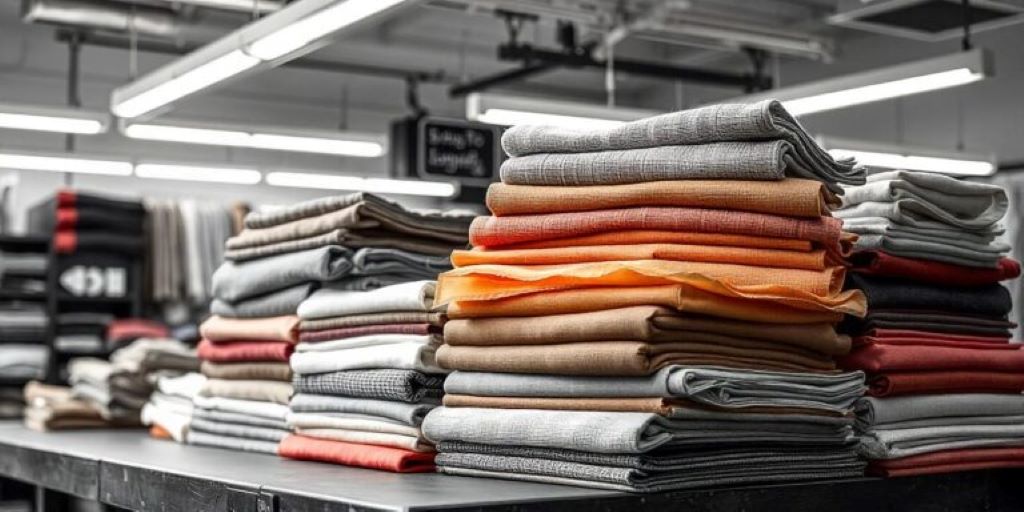
Seasonal Fabric Selection Strategies
Understanding seasonal fabric needs helps optimize comfort and style throughout the year. Spring and summer clothing benefits from lightweight, breathable fabrics like cotton, linen, and lightweight wool. These materials manage heat and moisture effectively while maintaining a professional appearance.
Fall and winter wardrobes require fabrics that provide warmth without bulk. Wool, flannel, and synthetic insulation materials create comfortable layers that adapt to changing temperatures. Heavier cotton and wool blends offer versatility for transitional weather.
Care and Maintenance for Longevity
Proper fabric care significantly extends clothing lifespan and maintains appearance. Natural fibers often require gentle handling, while synthetic fabrics typically offer easier maintenance. Understanding specific care requirements for each fabric type prevents damage and preserves investment in quality clothing.
Regular rotation of garments allows fabrics to rest and recover between wears. This practice is particularly important for wool and delicate fabrics that benefit from time to regain their shape.
Making Smart Fabric Choices
Selecting the right fabric depends on intended use, climate, and personal preferences. Consider your lifestyle, work requirements, and comfort priorities when choosing between natural and synthetic options. Quality fabrics may cost more initially but often provide better value through improved durability and comfort.
Investment in versatile fabrics that work across multiple seasons and occasions maximizes wardrobe efficiency. Focus on building a foundation of quality pieces in proven fabrics before exploring specialized options.
Frequently Asked Questions
What is the most durable fabric for men’s clothing?
Wool and high-quality cotton blends offer excellent durability for everyday wear. Synthetic fabrics like polyester provide superior resistance to wear and easy care, while natural fibers like wool can last decades with proper maintenance.
Which fabric is best for hot weather?
Linen and lightweight cotton are ideal for hot weather due to their breathability and moisture absorption. These natural fibers allow air circulation and keep you cool in high temperatures.
Are synthetic fabrics comfortable for daily wear?
Modern synthetic fabrics and blends can be very comfortable, especially when combined with natural fibers. Look for moisture-wicking properties and good breathability in synthetic garments.
How do I choose between natural and synthetic fabrics?
Consider your priorities: natural fabrics generally offer better breathability and comfort, while synthetics provide easier care and specific performance benefits. Blends often provide the best of both worlds.
What fabrics work best for professional clothing?
Wool remains the gold standard for suits and formal wear, while cotton and cotton blends work well for dress shirts. Look for fabrics that maintain their appearance throughout the day and resist wrinkles.
Transform your wardrobe today by applying these fabric insights to your next clothing purchase. Start by evaluating your current wardrobe and identifying gaps where better fabric choices could improve your comfort and style. Share this guide with friends who struggle with clothing decisions, and bookmark this article for reference during your next shopping trip. Remember, the right fabric choice today determines your comfort and confidence tomorrow.
Read More: Metallic fabrics will be the main protagonists of the Trussardi collection for next summer
