

How to Protect Your Belongings with a Travel-Safe Crossbody Bag
February 26, 2026
How to Sew a Simple Dress Based on Regency Period Fashion Patterns
March 9, 2026
Finding the perfect gym bag can feel overwhelming with countless options available today. Women need bags that keep up with their active lifestyles while looking great everywhere they go. Whether you’re heading to yoga class, hitting the weights, or squeezing in a lunchtime workout, the right bag makes all the difference.
Your gym bag is more than just a container for workout clothes. It’s a daily companion that holds your essentials, reflects your personality, and supports your fitness journey. Therefore, choosing one requires careful consideration of multiple factors beyond just appearance.
Understanding Your Gym Bag Needs
Before shopping, take time to assess your specific requirements. Everyone’s fitness routine differs, and your bag should match your lifestyle perfectly.
Think about how often you work out. Daily gym-goers need durable bags with excellent compartment organization. Weekend warriors might prioritize compact designs that store easily when not in use. Additionally, consider whether you commute directly from work or head home first.
Your workout type matters significantly too. Swimmers require waterproof materials and wet compartments. Runners benefit from lightweight designs with exterior pockets for keys and phones. Meanwhile, CrossFit enthusiasts need sturdy construction to handle heavy gear like lifting shoes and resistance bands.
Essential Features to Look For
Several key features separate exceptional gym bags from mediocre ones. Understanding these elements helps narrow your choices effectively.
Size matters, but bigger isn’t always better. Your bag should accommodate everything you need without becoming bulky or cumbersome. Measure your typical items beforehand. Most women need space for shoes, a change of clothes, toiletries, a water bottle, and perhaps a laptop or tablet.
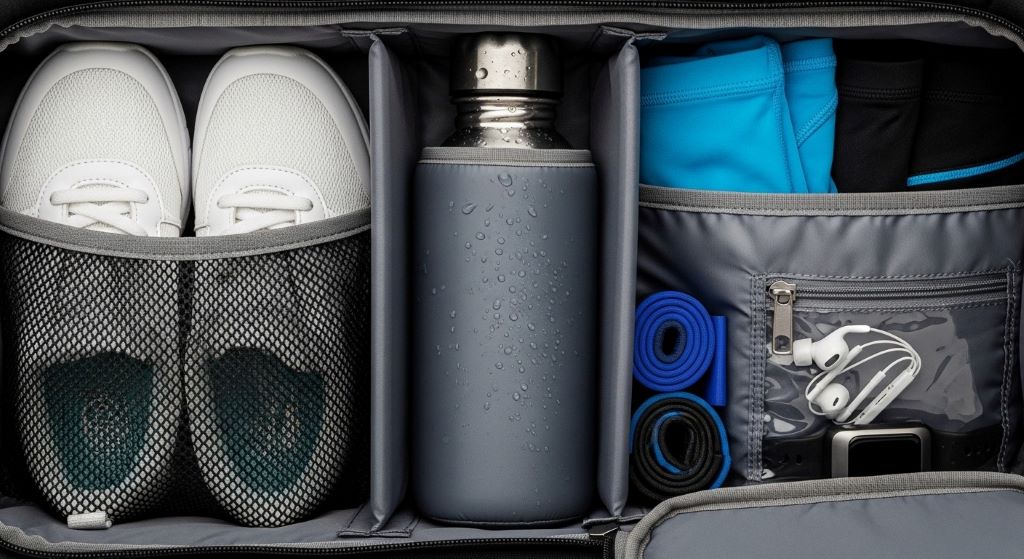
Compartments keep belongings organized and accessible. Look for bags with dedicated shoe compartments that separate dirty sneakers from clean clothes. Zippered pockets secure valuables like phones, wallets, and keys. Mesh sections allow wet items to breathe and dry properly.
Material quality determines longevity. Water-resistant fabrics protect contents from unexpected weather or gym shower splashes. Reinforced stitching prevents tears at stress points. Easy-to-clean surfaces maintain freshness despite regular use.
Comfortable carrying options reduce strain during transport. Padded shoulder straps distribute weight evenly across your body. Adjustable straps accommodate different heights and preferences. Some bags offer multiple carrying methods, including shoulder straps, crossbody options, and grab handles.
Style Considerations That Matter
Functionality shouldn’t mean sacrificing aesthetics. Today’s market offers stylish gym bags that turn heads while serving practical purposes.
Color choices extend beyond basic black. Neutral tones like gray, navy, and beige coordinate with any outfit. Bold colors or patterns express personality and make bags easy to spot in crowded locker rooms. However, consider how colors show dirt and wear over time.
Design aesthetics range from sporty to sophisticated. Sleek, minimalist bags transition seamlessly from gym to office. Trendy designs with metallic accents or unique textures make fashion statements. Choose styles that align with your overall wardrobe and personal taste.
Versatility increases value significantly. Bags that work for multiple occasions eliminate the need for separate totes. A well-designed gym bag doubles as a weekend travel bag, work tote, or shopping companion. This multifunctionality justifies higher price points.
Material and Durability Factors
The fabric and construction determine how well your bag withstands daily wear and tear. Investing in quality materials pays off through extended lifespan.
Nylon stands out as a popular choice for active lifestyles. This material resists water, dries quickly, and maintains shape despite heavy loads. It’s also relatively lightweight, which prevents adding unnecessary weight to your belongings. Furthermore, nylon comes in various finishes from matte to glossy.
Polyester offers similar benefits at often lower price points. It resists wrinkles and holds color well through repeated washing. Many manufacturers blend polyester with other materials to enhance performance characteristics.
Canvas provides a more fashionable, casual aesthetic. While heavier than synthetic options, it offers exceptional durability and a classic look. Treated canvas can resist water reasonably well. This material particularly suits those prioritizing style alongside function.
Leather accents or trim add sophistication to athletic bags. Genuine or vegan leather details elevate appearance without compromising practicality. These touches help bags transition from gym to social settings effortlessly.
Weight and Portability Concerns
Carrying a heavy bag before adding contents creates unnecessary fatigue. Smart shoppers prioritize lightweight fitness bag options that reduce strain.
Empty bag weight varies dramatically between models. Some designer bags weigh several pounds before adding anything inside. Meanwhile, purpose-built athletic bags often weigh less than a pound empty. This difference becomes significant during long commutes or busy days.
Distribution of weight affects comfort substantially. Well-designed bags balance contents evenly rather than pulling to one side. Internal structure maintains shape and prevents items from shifting awkwardly. External compression straps help stabilize loads during movement.
Portability extends beyond weight alone. Bags should fit comfortably in car trunks, under desks, and inside gym lockers. Collapsible designs fold flat when empty, saving storage space at home. Consider where you’ll store the bag both full and empty.
Organization and Storage Solutions
Effective organization transforms chaotic gym routines into streamlined experiences. Thoughtful compartment design keeps everything accessible and orderly.
Separate shoe compartments rank among the most valuable features. These dedicated spaces isolate dirty footwear from clean clothes and prevent odor transfer. Ventilated shoe pockets allow air circulation, reducing bacterial growth and unpleasant smells.
Wet and dry separation protects electronics and documents from damp workout clothes. Waterproof linings in specific sections contain moisture effectively. Some bags feature removable wet bags that can be washed separately or replaced as needed.
Small item storage prevents frustration when searching for keys, cards, or jewelry. Interior zippered pockets secure valuables safely. Exterior quick-access pockets hold items needed during transit like phones, headphones, or transit passes. Key clips ensure you never dig through the entire bag hunting for keys.
Water bottle holders maintain hydration accessibility. External mesh pockets keep bottles upright and prevent leaks inside the main compartment. Insulated bottle sleeves maintain beverage temperature during extended trips.
Budget Considerations and Value
Gym bags span enormous price ranges from budget-friendly options under twenty dollars to luxury designer pieces exceeding several hundred dollars. Finding the sweet spot between cost and quality requires strategic thinking.
Budget bags often sacrifice durability and features but serve occasional gym-goers adequately. These options work well for testing preferences before committing to expensive purchases. However, frequent replacement costs can exceed investing in quality upfront.
Mid-range bags typically offer the best value proposition. These products balance quality materials, thoughtful features, and reasonable pricing. Many established athletic brands produce excellent mid-tier options that last years with proper care.
Premium bags justify higher costs through superior craftsmanship, innovative features, and brand prestige. Luxury materials age beautifully rather than showing wear. Designer bags make fashion statements beyond gym walls. Nevertheless, evaluate whether premium features align with your actual needs.
Consider cost per use when evaluating value. A hundred-dollar bag used five times weekly for three years costs mere cents per workout. Meanwhile, a twenty-dollar bag replaced annually costs more long-term despite lower initial investment.
Specialized Bags for Specific Activities
Different fitness activities benefit from specialized bag designs tailored to unique requirements. Matching bags to primary activities enhances convenience significantly.
Yoga practitioners appreciate bags designed specifically for mat storage. These often feature exterior straps or dedicated compartments that secure rolled mats. Smaller overall sizes work since yoga requires minimal gear beyond the mat, perhaps blocks, and a water bottle.
Swimmers need waterproof materials and exceptional ventilation. Mesh panels promote air circulation to prevent mildew growth. Separate wet compartments isolate damp swimsuits and towels from dry belongings. Rust-proof hardware withstands chlorine and saltwater exposure.
Runners favor compact, streamlined designs that minimize bounce during movement. Reflective elements enhance visibility during early morning or evening runs. Lightweight construction prevents adding unnecessary burden to training.
Multi-sport athletes require versatile designs accommodating varied equipment. Spacious interiors hold everything from cycling shoes to tennis rackets. Numerous compartments organize diverse gear types efficiently.
Care and Maintenance Tips
Proper care extends gym bag lifespan significantly. Simple maintenance routines keep bags looking and smelling fresh through years of use.
Regular cleaning prevents odor buildup and material degradation. Many bags are machine washable, though always check manufacturer instructions first. Hand washing with mild detergent works for most materials. Air drying prevents shrinkage and maintains structural integrity better than machine drying.
Immediate attention to spills prevents staining and odor absorption. Wipe up protein shake spills or water bottle leaks promptly. Treating stains quickly increases removal success rates substantially.
Odor control requires proactive measures. Remove damp items immediately after workouts rather than leaving them sealed inside. Periodically air out bags completely. Baking soda sachets or activated charcoal packets absorb lingering smells effectively.
Storage between uses affects longevity too. Empty bags completely and store in cool, dry locations. Stuffing bags maintains shape better than hanging, which can stress straps. Avoid storing bags in hot cars where extreme temperatures damage materials.
Shopping Tips and Where to Buy
Strategic shopping helps find perfect bags at optimal prices. Knowing where and when to buy maximizes value.
Research thoroughly before purchasing. Read reviews from actual users rather than relying solely on marketing descriptions. Pay attention to comments about durability, sizing accuracy, and customer service experiences. Independent review sites often provide more honest assessments than retailer websites.
Physical inspection reveals details online photos miss. Visit stores to assess material quality, zipper smoothness, and actual dimensions. Try bags on to evaluate comfort with weight inside. This hands-on experience prevents disappointing online purchases.
Sales and promotions offer significant savings opportunities. End-of-season sales discount previous year’s styles substantially. Holiday shopping events feature special pricing. Signing up for email lists provides early access to sales and exclusive discount codes.
Consider outlet stores and discount retailers for brand-name bags at reduced prices. Previous season’s styles often function identically to current models at fraction of costs. Cosmetic imperfections barely affect performance but substantially reduce prices.
Making Your Final Decision
After considering all factors, choosing becomes easier with systematic evaluation. Creating a decision framework streamlines the selection process.
List your top priorities in order of importance. Perhaps waterproofing matters most, followed by style, then price. This hierarchy guides trade-off decisions when no single bag meets every criterion perfectly.
Compare top contenders directly. Create a simple spreadsheet listing key features, prices, and ratings. Visual comparison highlights strengths and weaknesses clearly. Eliminate options that fail to meet essential requirements.
Trust your instincts alongside practical analysis. You’ll carry this bag regularly, so personal connection matters. If a bag excites you and meets practical needs, it’s likely the right choice. Conversely, even perfect specifications won’t satisfy if you dislike the appearance.
Conclusion
Finding the ideal gym bag requires balancing numerous factors from functionality to fashion. The perfect bag accommodates your specific fitness routine, reflects personal style, and withstands regular use through quality construction. By carefully evaluating size, compartments, materials, and special features, you can identify options that truly meet your needs.
Remember that the best bag varies by individual circumstances. A lightweight fitness bag suits minimalist runners differently than it serves CrossFit enthusiasts with extensive gear. Similarly, stylish gym bags appeal to fashion-conscious professionals seeking versatile pieces that transition from boardroom to boxing class.
Invest time researching and comparing options before purchasing. Quality bags represent significant investments that should serve you well for years. Therefore, prioritize durability and functionality alongside aesthetic appeal. With the right gym bag, you’ll arrive at every workout organized, prepared, and confident.
Frequently Asked Questions
What size gym bag do I actually need?
Most women need bags between 20 and 35 liters capacity. This range accommodates shoes, change of clothes, toiletries, and a water bottle comfortably. If you carry laptops or extensive beauty products, consider slightly larger options. Conversely, minimalists doing simple workouts can manage with compact 15-liter bags.
How do I prevent my gym bag from smelling bad?
Remove damp items immediately after workouts and air out your bag regularly. Use separate compartments for shoes and wet clothes. Place baking soda packets or activated charcoal inside to absorb odors. Wash your bag monthly according to care instructions. Additionally, consider antimicrobial bag liners designed specifically for athletic gear.
Are expensive gym bags worth the investment?
Quality bags lasting three to five years justify higher initial costs through durability and superior features. Calculate cost per use rather than focusing solely on purchase price. However, expensive doesn’t always mean better. Mid-range bags from reputable athletic brands often provide excellent value. Luxury designer bags offer prestige but may not perform better than specialized athletic brands.
Can one gym bag work for multiple activities?
Versatile designs with adjustable compartments and ample space accommodate various fitness activities effectively. Look for bags with removable dividers, multiple carrying options, and water-resistant materials. While specialized bags optimize for specific sports, well-designed general-purpose bags serve most activities adequately. Consider your primary activity when selecting features.
What’s the difference between gym bags and duffel bags?
Gym bags typically feature specialized compartments for shoes, wet clothes, and small valuables, whereas traditional duffel bags offer mostly open interior space. Gym bags prioritize organization and often include exterior pockets for quick access. Duffel bags excel for travel with larger single-compartment designs. However, many modern bags blur these distinctions by combining features from both styles.
Related Topics:
How to Describe Shoelaces That Are Old: A Complete Guide
How to Find Your Personal Style After a Major Life Change
