

How to Find Black and White Wedding Dresses That Look High Fashion
March 29, 2026
How to Choose Long Lasting Perfumes Women Will Love
April 11, 2026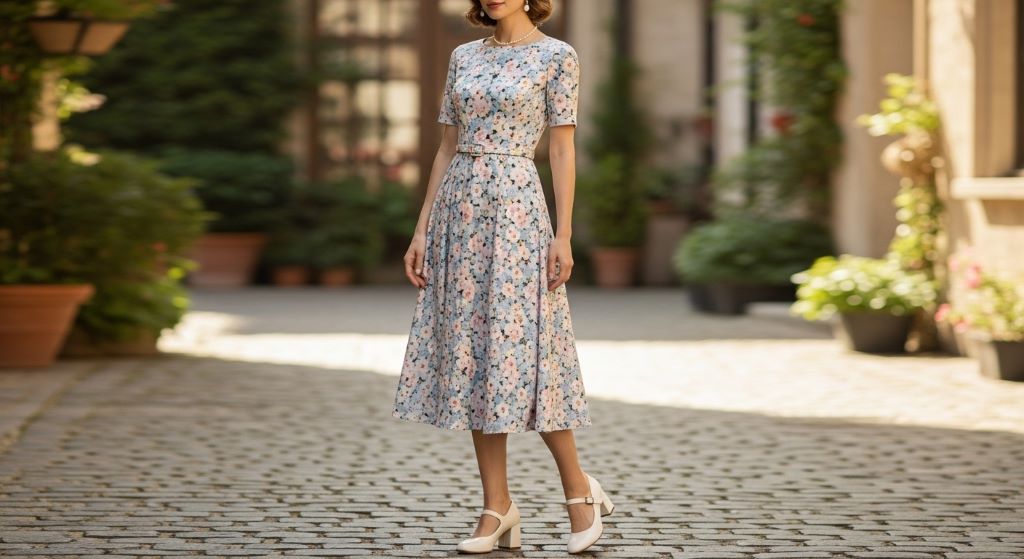
There is something timeless about a romantic vintage-inspired outfit. The flowing fabrics, delicate details, and soft silhouettes carry a charm that modern fashion rarely matches. However, even the most beautiful dress or blouse can fall flat if the wrong shoes are chosen. Footwear is the finishing touch. It anchors the outfit, sets the tone, and tells a complete visual story.
Choosing the right shoes for a vintage-inspired look does not have to feel overwhelming. Once you understand the key eras, the silhouettes that define them, and the practical tips for pairing shoes with outfits, the process becomes intuitive and even enjoyable. This guide will walk you through everything you need to know.
Understanding the Romantic Vintage Aesthetic
Before selecting footwear, it helps to understand what “romantic vintage” actually means. The term draws from several decades of fashion history, each with its own visual language.
The 1930s and 1940s were defined by elegance and femininity. Bias-cut dresses, cinched waists, and refined tailoring were the norm. The 1950s introduced full skirts, sweetheart necklines, and a playful sweetness. The 1960s brought a softer, more whimsical version of romance through floral prints, Peter Pan collars, and shift dresses. The 1970s leaned into flowing bohemian silhouettes with lace, embroidery, and earthy tones.
Romantic vintage fashion blends elements from these eras. It tends to feature soft colors like blush, ivory, sage, and dusty rose. Fabrics are often lightweight and fluid. Details include lace trim, ruffles, puffed sleeves, and floral patterns. The overall mood is gentle, feminine, and nostalgic.
Therefore, the footwear you choose must reflect this same mood. Shoes with clean, simple lines, soft textures, and classic shapes work best. Overly modern silhouettes or heavily embellished statement shoes can clash with the softness of the look.
Key Shoe Styles That Complement Vintage-Inspired Outfits
Not every shoe style suits a romantic vintage aesthetic. However, several classic silhouettes have stood the test of time precisely because they were born in these eras.
Mary Janes
Mary Janes are one of the most iconic shoes for vintage-inspired dressing. Their rounded toe, low heel, and single strap across the instep create a look that is feminine without being fussy. Originally popular in the early twentieth century, they have remained a staple of vintage fashion ever since.
They work beautifully with A-line skirts, midi dresses, and high-waisted trousers. A pair in black patent leather suits a more structured outfit. In soft suede or ivory leather, they complement flowing floral dresses perfectly. Additionally, block-heeled Mary Janes offer extra comfort without sacrificing the vintage charm.
T-Strap Heels
T-strap heels were enormously popular in the 1920s and 1930s. Their defining feature is a strap that runs from the toe up to meet a horizontal strap across the ankle, forming a T shape. This design is elegant and distinctive.
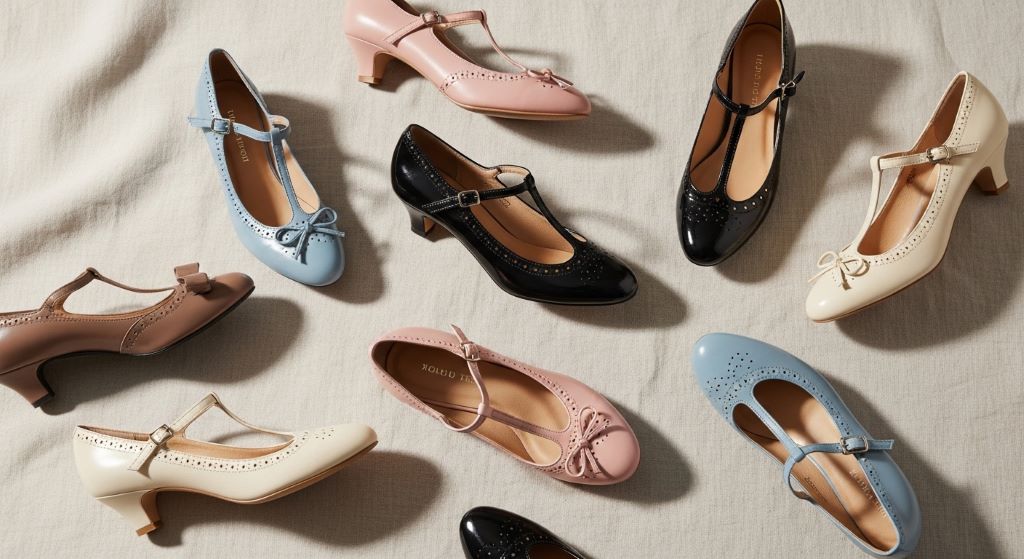
These shoes pair well with longer hemlines, tea-length dresses, and wide-leg trousers. Neutral tones like nude, cream, and tan are the most versatile. However, a pair in deep burgundy or forest green can add a subtle vintage color story to the outfit. The heel height can range from a modest kitten heel to a more dramatic mid-height heel, depending on the occasion.
Kitten Heels
Kitten heels became fashionable in the 1950s and were championed as an elegant, everyday alternative to stilettos. The slim, short heel typically measures between one and two inches. This makes them comfortable enough for long wear while still adding a refined lift.
They suit almost every vintage-inspired silhouette. Pair them with a full circle skirt and a tucked-in blouse for a 1950s look. Wear them with a fitted sheath dress for something more 1960s. Additionally, kitten heels in satin or brocade fabric bring a special occasion feel to more elaborate outfits.
Ballet Flats
Ballet flats are a practical and charming choice for romantic vintage looks. Their low profile and rounded or slightly pointed toe keep the silhouette clean and understated. They work particularly well with full or midi skirts, where the volume of the fabric is the focal point and the shoes should not compete.
Choose ballet flats in soft leather, suede, or fabric with subtle detailing such as a bow at the toe or a scalloped edge. These small details echo the delicate craftsmanship found in vintage fashion. Furthermore, ballet flats in pastel shades or floral prints can feel like a natural extension of a spring or summer vintage outfit.
Lace-Up Oxfords and Brogues
For a vintage look with a slightly stronger edge, lace-up oxfords and brogues are an excellent choice. These shoes have roots in early twentieth century menswear but were quickly adopted by women seeking a more androgynous style.
They pair well with high-waisted wide-leg trousers, pinafore dresses, and structured midi skirts. A two-tone brogue in white and tan gives a 1940s feel. A classic brown oxford adds warmth to earthy or muted color palettes. Additionally, these shoes tend to be very comfortable, making them ideal for wearing throughout the day.
Ankle Boots
Ankle boots with a modest heel are a versatile option, particularly for autumn and winter vintage looks. Victorian-inspired lace-up ankle boots with a stacked heel capture the spirit of late nineteenth and early twentieth century fashion. They suit layered outfits, long skirts, and heavier fabrics like velvet and corduroy.
In warmer months, a lighter ankle boot in tan leather or white fabric can work with flowy dresses if styled carefully. The key is to ensure the boot does not feel too heavy for the delicate nature of the romantic vintage aesthetic.
How to Match Shoe Color to Your Outfit
Color coordination is one of the most important aspects of completing a vintage-inspired look. The wrong shoe color can break the harmony of an outfit, while the right one ties everything together effortlessly.
Neutrals Are Your Best Friends
Ivory, cream, nude, tan, and soft brown are the most versatile shoe colors for romantic vintage looks. They complement the soft, muted color palette that defines this aesthetic without drawing attention away from the outfit itself.
Black is also a reliable neutral, though it works better with more structured or darker vintage looks than with very soft and delicate ones. Therefore, consider the mood of the outfit before defaulting to black.
Matching a Dominant Color
If your outfit features a dominant color, choosing a shoe in the same or a close shade creates a cohesive, polished look. For example, a blush dress paired with blush or pale pink shoes creates a tonal effect that feels both intentional and romantic.
However, this approach requires care. The shades do not need to match exactly, but they should belong to the same color family. Mixing warm and cool tones within the same outfit can feel jarring rather than harmonious.
Using Color as an Accent
A carefully chosen accent shoe color can elevate a neutral or simple outfit. A white or cream dress with cherry red Mary Janes, for instance, is a classic combination with strong vintage roots. Similarly, a sage green blouse and beige skirt paired with dark tan brogues creates a warm, cohesive palette with visual depth.
The key is restraint. One accent color in the shoes is sufficient. If the outfit already features multiple colors or prints, a neutral shoe is the safer and more elegant choice.
Considering Heel Height and Practicality
Romantic vintage looks span a wide range of occasions, from casual daytime outings to formal evening events. Heel height should reflect the occasion as well as your personal comfort.
For daytime looks, flat shoes and low heels are both appropriate and practical. Ballet flats, Mary Janes with a low block heel, and lace-up oxfords all work well. They allow you to move freely while still looking polished.
For evening or special occasions, a mid-height heel adds elegance without sacrificing stability. T-strap heels and kitten heels are ideal here. They add just enough height to lengthen the silhouette and create a more formal impression.
Additionally, comfort should always be a priority. A beautiful shoe that causes pain will affect how you carry yourself. Confidence and ease of movement are part of what makes any outfit truly work. Therefore, invest in well-made shoes with supportive construction, and break them in before wearing them to an important event.
Fabric and Texture Choices That Enhance the Look
The material of your shoes matters as much as their shape and color. Certain fabrics and textures naturally align with the romantic vintage aesthetic.
- Soft leather and suede feel luxurious and age well, developing a beautiful patina over time.
- Satin and silk shoes carry an inherent elegance that suits evening and formal vintage looks.
- Patent leather adds a polished, retro shine that works well with structured 1950s and 1960s inspired outfits.
- Velvet is an excellent choice for autumn and winter vintage looks, adding richness and warmth.
- Fabric shoes with floral or jacquard prints can feel like a deliberate extension of a printed dress or blouse.
However, avoid materials that feel too modern or sporty. Chunky rubber soles, technical fabrics, and athletic textures break the visual continuity of a vintage look.
Styling Tips to Pull the Look Together
Choosing the right shoes is only part of the equation. How you style the overall look matters just as much.
Hosiery is a powerful and often underused styling tool in vintage fashion. Sheer stockings, lace tights, and patterned hosiery can bridge the gap between shoes and outfit beautifully. A seamed stocking with T-strap heels is unmistakably vintage in the best possible way.
Furthermore, pay attention to the proportion of your outfit and shoes together. A voluminous full skirt benefits from a delicate shoe that does not add visual weight at the foot. A sleek, fitted dress, on the other hand, can handle a slightly more substantial shoe.
Finally, consider how your accessories relate to your footwear. A leather belt and leather shoes in similar tones create a pulled-together look. A beaded bag and satin shoes in complementary colors reinforce the elegance of an evening ensemble.
Conclusion
Choosing footwear for a romantic vintage-inspired look is both an art and a practical exercise. The right shoes do more than complete an outfit. They communicate the era, mood, and intention behind the entire look.
Start by understanding the aesthetic you are working within. Choose shoe silhouettes that have genuine vintage roots, such as Mary Janes, T-strap heels, kitten heels, ballet flats, or lace-up oxfords. Match colors thoughtfully, leaning toward soft neutrals or carefully chosen accents. Pay attention to fabric, heel height, and the overall proportion of the look. Add hosiery and accessories that reinforce rather than interrupt the vintage mood.
With these principles in place, every outfit you put together will feel cohesive, intentional, and effortlessly romantic. The best vintage-inspired looks are not costumes. They are a thoughtful celebration of timeless style, and the right pair of shoes makes all the difference.
Frequently Asked Questions
What shoes are most authentic for a 1950s romantic vintage look?
The most authentic shoe styles for a 1950s romantic vintage look include Mary Janes, kitten heels, and pointed-toe flats. These silhouettes were widely worn during the era and pair naturally with full circle skirts, poodle skirts, and sweetheart necklines. Patent leather and pastel colors are particularly fitting for this decade.
Can I wear modern shoes with a vintage-inspired outfit?
Yes, with careful selection. Some modern shoes, such as simple leather ballet flats or clean-lined low-heeled pumps, can work with vintage outfits because their silhouettes are classic rather than trend-driven. However, heavily modern styles like chunky platform sneakers or technical boots will clash with the romantic vintage aesthetic.
What shoe color works with a floral vintage dress?
Neutral shoes in nude, cream, tan, or white are the safest and most versatile choice with a floral dress. They allow the print to remain the focal point. Alternatively, picking up one color from the floral pattern in your shoe choice can create a harmonious and intentional look.
Are flat shoes appropriate for a romantic vintage look?
Absolutely. Flat shoes are not only appropriate but are often preferred for daytime and casual vintage looks. Ballet flats, Oxford shoes, and flat Mary Janes all have strong vintage credentials. They are comfortable, practical, and entirely in keeping with the romantic vintage aesthetic when chosen in the right color and material.
How do I choose shoes for a vintage-inspired look at a formal event?
For formal events, opt for shoes with some heel height, such as T-strap heels, satin kitten heels, or elegant low-heeled pumps. Choose materials like satin, silk, or patent leather for a more polished finish. Matching or complementing the color of your dress ensures a cohesive and sophisticated overall look.
Related Topics:
Signet Rings for Women: An Emerging Trend in Modern Jewellery
Dressing the Kuro Montsuki: A Guide to Traditional Japanese Formalwear
