
What is the Cost of Mental Health Illness in the UK per Year?
April 23, 2026
Clean Sneakers or Standout Shoes: How to Choose the Perfect Style for Any Outfit
April 26, 2026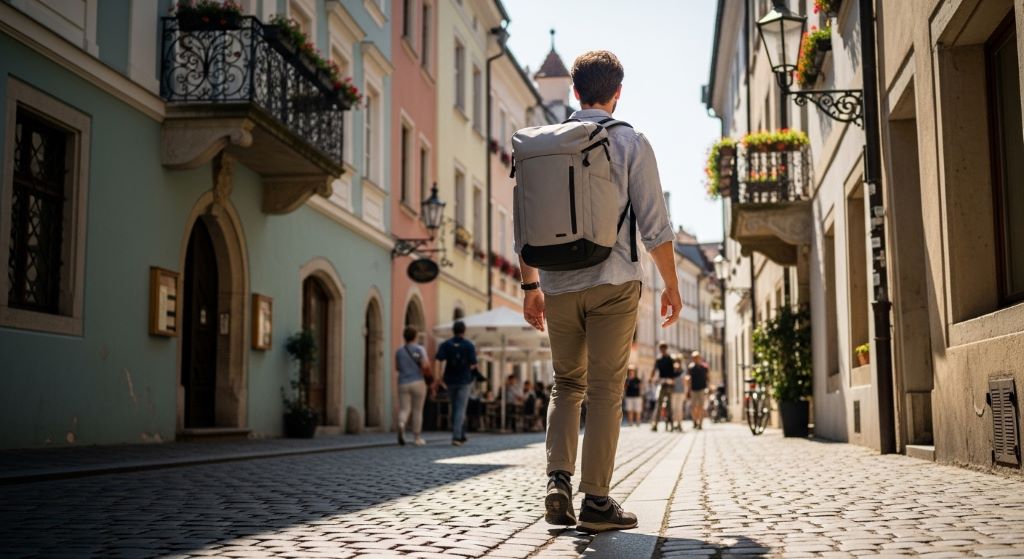
Traveling light is one of the best decisions you can make as a traveler. It saves you time, money, and a lot of stress. No more waiting at baggage claim. No more dragging heavy bags through crowded streets. With the right backpack and a smart approach to packing, you can move freely and enjoy every moment of your trip.
However, knowing where to start is not always easy. There are hundreds of backpacks on the market. There are even more opinions about what to pack and what to leave behind. This article will walk you through everything you need to know. From choosing the right bag to filling it smartly, you will be ready to travel lighter than ever before.
Why Traveling Light Changes Everything
Ask any seasoned traveler about their biggest regret. Most of them will say they packed too much on their early trips. Overpacking is incredibly common. It is also completely avoidable.
When you carry less, you move faster. You can hop on a bus without worrying about overhead space. You can walk from the airport to your hotel without breaking a sweat. Additionally, you save money by skipping checked baggage fees, which can add up quickly on budget airlines.
There is also a mental benefit. A lighter bag means fewer decisions. You know exactly what you have. You are not digging through mountains of clothes looking for one item. Therefore, packing light is not just a physical choice — it is a mindset that makes the whole travel experience more enjoyable.
What Makes a Great Lightweight Travel Backpack
Not all backpacks are created equal. A great lightweight travel backpack balances several key qualities. It needs to be light on its own, but also strong enough to protect your belongings. It should have smart organization without adding unnecessary bulk.
Here are the most important features to look for:
- Weight: The bag itself should weigh as little as possible. Look for packs under 1.5 kg when empty. Every gram counts when you are walking for hours.
- Capacity: For most short trips, a 20 to 35-liter bag is ideal. It is large enough to carry essentials but small enough to fit in an airplane’s overhead bin or under your seat.
- Comfort: Padded shoulder straps and a back panel that allows airflow make a big difference on long travel days.
- Durability: Look for water-resistant or ripstop materials. These fabrics handle rough handling and unexpected weather well.
- Organization: Multiple compartments, internal sleeves, and easy-access pockets help you stay organized without overpacking.
- Security: Lockable zippers or hidden pockets add peace of mind in busy cities and crowded transit hubs.
When you find a bag that checks most of these boxes, you have found a strong foundation for light travel.
Top Lightweight Backpack Styles for Different Travelers
The Minimalist Daypack
A minimalist daypack is perfect for travelers who want the absolute least amount of bag. These packs are slim, simple, and typically hold between 15 and 25 liters. They are great for city trips, day hikes, or weekend getaways where you will not need many clothes.
These bags usually have one main compartment and a few small pockets. They force you to pack only what you truly need. For travelers who follow minimalist travel gear principles, a simple daypack is often the only bag they ever need.
The Carry-On Sized Travel Pack
This is the most popular option for frequent travelers. A 30 to 40-liter backpack fits within most airline carry-on size limits. It gives you enough room for a week or more of clothing when packed smartly. Additionally, many of these bags have a clamshell opening that makes unpacking and repacking much easier.
Look for designs with a hidden harness system. When you fold away the shoulder straps, the bag looks like a regular piece of luggage. This makes it easier to carry in professional settings or urban environments.
The Hybrid Travel Backpack
A hybrid bag works both as a backpack and a duffel. You can carry it on your back, by a top handle, or over one shoulder. This versatility is great for travelers who move between different environments. However, hybrid bags can sometimes be slightly heavier due to the extra hardware involved. Choose one with a clean, minimal design to keep the weight down.
How to Pack a Lightweight Backpack Like a Pro
Choosing the right bag is only half the battle. How you fill it matters just as much. Smart packing is a skill, and it gets better with practice. These packing light tips will help you get more out of less space every time you travel.
Start with a Packing List
Always begin with a written list. Write down everything you think you need. Then go through the list again and cut it by a third. It sounds extreme, but you will almost always find items you can remove. The goal is to carry only what you will genuinely use.
Choose Versatile Clothing
Clothing takes up the most space in any bag. Therefore, every piece you bring should serve at least two purposes. A lightweight cardigan can be a layer on a cold plane and a cover-up for a temple visit. Dark trousers work for a dinner out and a long travel day.
Stick to a simple color palette. Neutrals like navy, grey, black, and white mix and match easily. You can create many different outfits from just a few items. Additionally, choose fabrics that dry quickly and resist wrinkles. Merino wool and nylon blends are excellent choices for travelers.
Use Packing Cubes
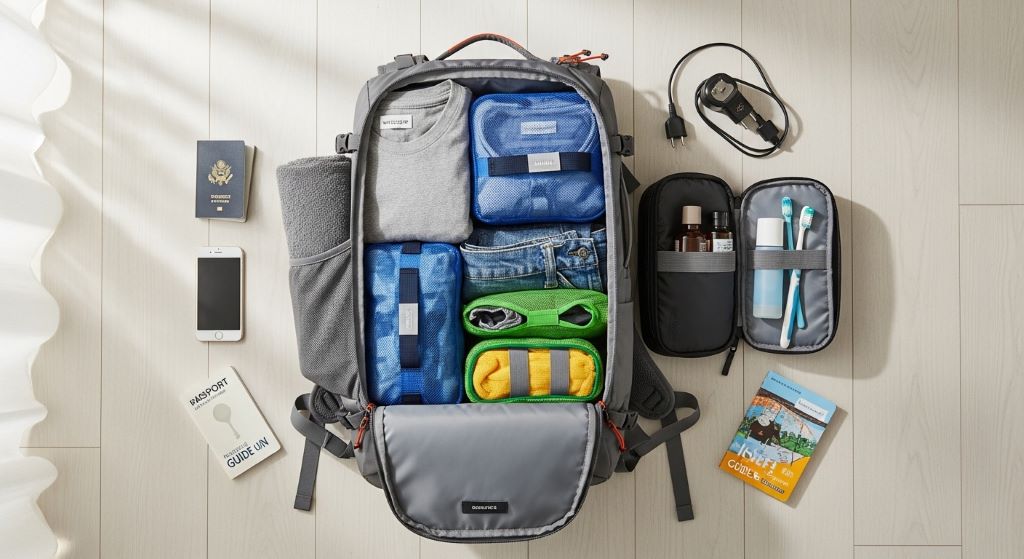
Packing cubes are one of the simplest tools to transform how you pack. They compress your clothes and keep everything organized inside your bag. When you arrive at your destination, you simply pull out the cube you need. You do not have to unpack everything to find one shirt.
Compression packing cubes take this one step further. They squeeze out excess air, which gives you even more space. However, do not use the extra space to bring more items. Use it to make your bag smaller and lighter overall.
Apply the Roll and Bundle Method
Rolling your clothes instead of folding them saves space and reduces wrinkles. Lightweight items like T-shirts and underwear roll tightly and take up very little room. Heavier items like jeans or jackets can be bundled around softer items to create a compact shape.
Place your heaviest items closest to your back. This keeps the weight centered and reduces strain on your shoulders. Lighter items like socks, underwear, and electronics should fill the remaining gaps.
Minimize Your Toiletry Kit
Toiletries add more weight than most travelers realize. Therefore, be ruthless here. Use solid shampoo bars, which are lightweight and TSA-friendly. Decant your skincare products into small reusable containers. Many hotels and accommodations provide basic toiletries, so check before you pack.
A compact toiletry bag with just the essentials is enough for most trips. Think: toothbrush, toothpaste, face wash, moisturizer, and any medications. Everything else can usually be purchased at your destination if needed.
Technology and Lightweight Travel
Modern travelers carry a lot of tech. Phones, chargers, laptops, cameras, and power banks can quickly add significant weight to your bag. However, with some careful thinking, you can keep your tech light without giving up the tools you truly need.
Start by asking whether you really need your laptop. For many trips, a tablet or even just your phone is enough. If you do need a laptop, choose a slim and lightweight model. Additionally, invest in a small, multi-port USB charger. This lets you charge several devices from a single plug and adapter.
A universal travel adapter is essential for international trips. Choose a compact model with USB ports built in. This eliminates the need to carry multiple adapters and wall plugs. Furthermore, a slim portable battery pack will keep your devices charged on long travel days without adding much weight to your load.
Keeping Weight Down Over Time
One of the biggest challenges of light travel is maintaining the habit. It is easy to pack light for one trip and then slowly drift back to overpacking. Therefore, make a few rules for yourself and stick to them.
One helpful rule is the one-bag rule. Commit to traveling with only one bag, no matter how long the trip is. It sounds difficult at first, but it becomes natural quickly. When you know you only have one bag, you naturally become more selective about what goes inside.
Another useful habit is doing a post-trip review. After every trip, note which items you used every day and which ones stayed at the bottom of your bag the whole time. Over several trips, you will build a tight, tested packing list that works perfectly for your travel style.
Adopting minimalist travel gear principles does not mean giving things up. It means choosing better, lighter, and more versatile things. The result is a bag that feels effortless to carry and a travel experience that feels free.
Conclusion
Traveling light is one of the most rewarding habits a traveler can develop. It starts with choosing the right lightweight backpack — one that is strong, comfortable, well-organized, and sized for your needs. From there, smart choices about clothing, toiletries, and technology make all the difference.
Using packing light tips like writing a packing list, choosing versatile clothes, using packing cubes, and minimizing your toiletry kit will help you get more from less every single time. Additionally, committing to the one-bag rule and reviewing your packing after each trip will sharpen your skills over time.
The freedom that comes from carrying one light bag is something every traveler deserves to experience. Take the leap, leave the extra weight at home, and enjoy every step of the journey.
Frequently Asked Questions
What size backpack is best for traveling light?
For most travelers, a 25 to 35-liter backpack is the sweet spot. It is large enough for a week-long trip when packed smartly, and small enough to qualify as a carry-on for most airlines. If you are going for a weekend trip, a 20-liter bag may be all you need.
How many outfits should I pack in a lightweight backpack?
A good rule of thumb is three to five outfits for any trip, regardless of length. Choose pieces that mix and match easily, and plan to do laundry if your trip is longer than a week. Quick-dry fabrics make this much easier.
Are packing cubes really worth it?
Yes, absolutely. Packing cubes keep your bag organized, compress your clothing, and make unpacking much faster. They are especially useful in smaller bags where space is limited. Most frequent travelers consider them essential.
What materials are best for a lightweight travel backpack?
Look for bags made from ripstop nylon, Dyneema, or recycled polyester. These materials are lightweight, durable, and often water-resistant. Ripstop nylon in particular is a favorite because it is both tough and very light.
Can I really travel for two weeks with just a carry-on backpack?
Yes, many travelers do it regularly. The key is choosing the right clothing, packing cubes, and toiletry strategy. With a 30 to 35-liter backpack, a capsule wardrobe of versatile pieces, and a minimal toiletry kit, two weeks in one bag is very achievable.
Related Topics:
How to Find the Best Gym Bag for Women That Combines Style and Function
How to Choose Sapphire Engagement Rings for a Timeless Proposal
